Kentucky Voices Resonate in our Research
COMMUNITY ADVISORY BOARD’S VALUABLE
INSIGHTS AMPLIFY THE IMPACT OF OUR WORK
It’s not only scientists who make an impact on the vital cancer research happening at the UK Markey Cancer Center. People from all walks of life make a real difference, too.
At Markey, researchers partner with people and organizations in communities throughout Kentucky. These residents contribute unique insights that make research more relevant to people’s lives. And people who sign up to take part in research help speed up new advances for preventing and treating cancer. When researchers and communities work together, we get more breakthroughs and more cancerfree tomorrows.
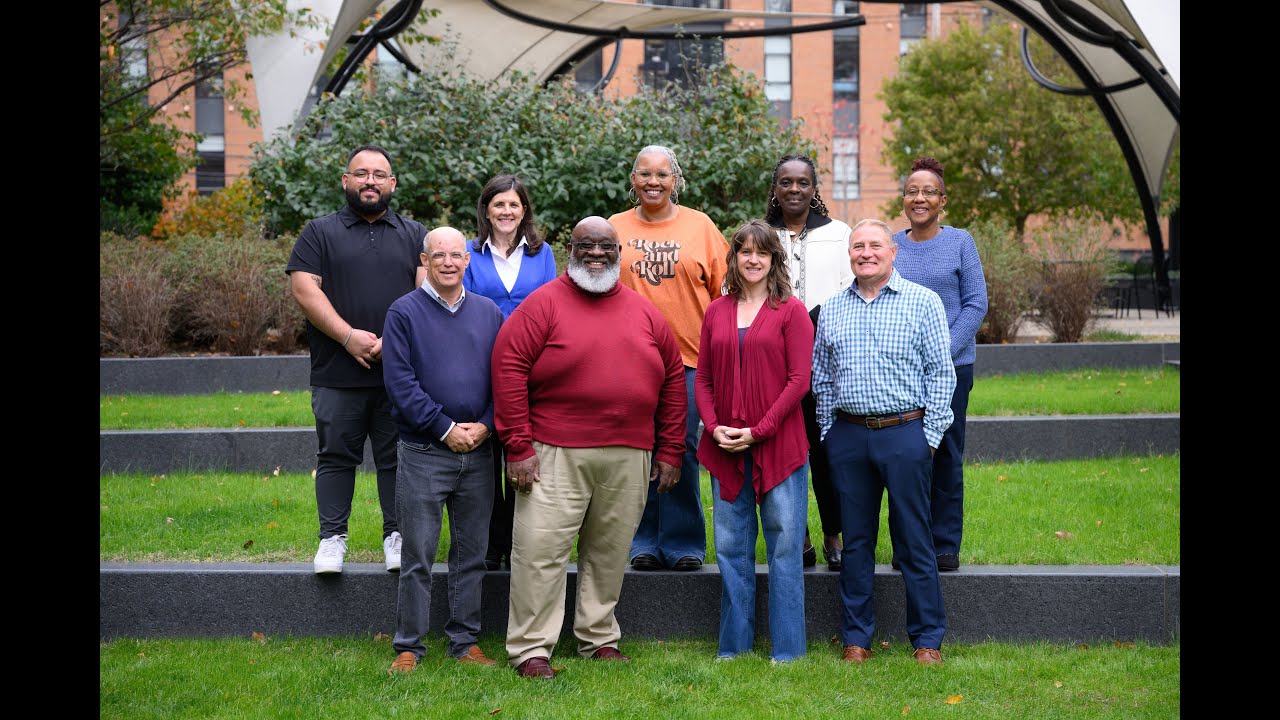
One way Markey does this is through its Community Advisory Board. This team of 11 advises the cancer center to ensure it’s serving community needs across the Commonwealth. Part of the advisory board’s role includes championing the critical research at Markey and sharing what they learn about cancer prevention and treatment throughout their communities. The advisory board is one of several groups of community members that provide advice to Markey researchers, leadership and staff.
Insights from Across Kentucky
The advisory board is made up of people from across Kentucky who have different backgrounds and experiences. Each one knows someone affected by cancer, and some are cancer survivors themselves.
Participating in research doesn’t just mean being a part of a therapuetic trial, said Tom Collins, an advisory member and retired teacher from Clark County. It can be as simple as participating in a survey.
“People may be scared of that word ‘research,’ but it’s really quite simple,” Collins said. “You can give your opinion by filling out surveys about behaviors that we know cause cancer, or you may give a simple specimen, such as saliva or blood. Those types of things help researchers find out more about cancer, which will lead to future breakthroughs.”
Mildred Smith is a production tech and breast cancer survivor from Christian County who has participated in a clinical study herself. She recognizes the value of having communities throughout Kentucky involved in Markey’s groundbreaking cancer research.
“I feel that it’s very important to have people of different backgrounds to participate so researchers know how cancer affects everyone,” she said. “Because what may work for one person might not work for the other.”
Cancer research will guide the future of the nation and the world, said advisory board member Celine Quinn of Bracken County, a retired teacher and cancer survivor. “Everybody’s been touched by cancer — everybody. The more research we have, the better we can handle this situation and maybe actually move from illness to wellness.”
Helping Markey Researchers
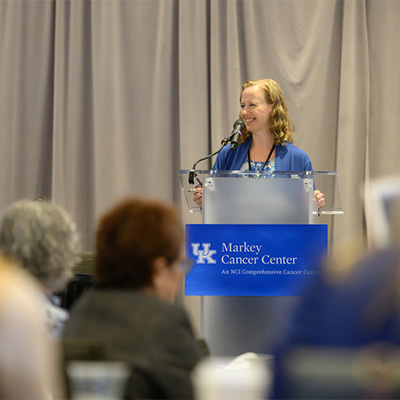
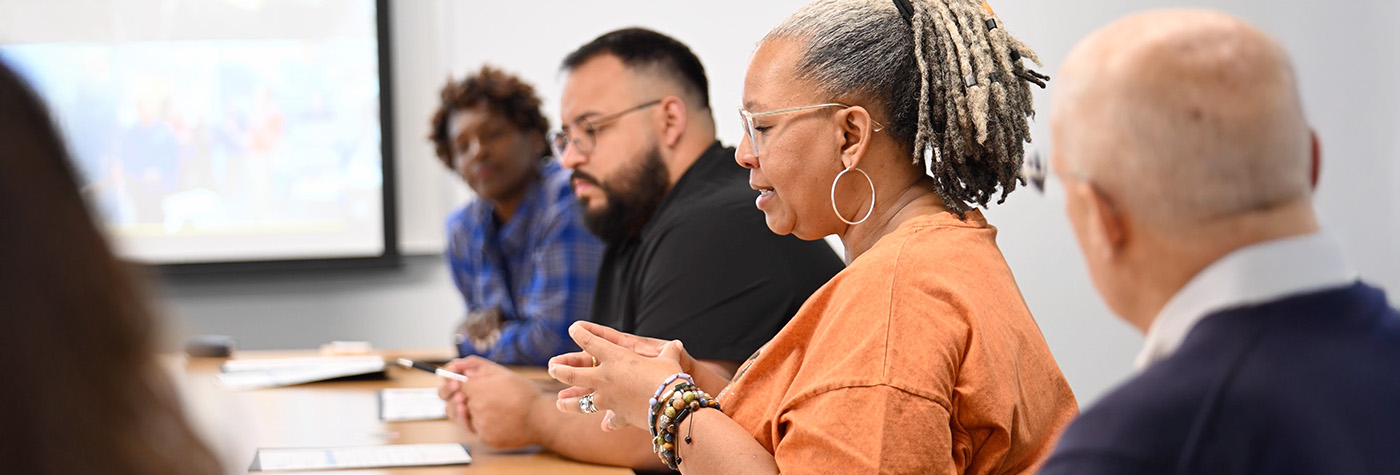
Community advisory board members contribute to Markey in many ways. They gave input on the design of the new cancer center building and Markey’s mission and vision statement. They provide feedback on cancer-related educational materials before they’re distributed. They even review research grants funded internally through Markey. Researchers who are awarded the grants from the Markey Community Impact Office are also required to present their findings to the board.
“One of the key ways the board contributes is by helping researchers think about what the future impact of their research could be and what the public health impact will be,” said Pamela Hull, PhD, Markey’s associate director for Population Science and Community Impact. “Many of these researchers are basic scientists who are in the lab, looking at cells under microscopes. Talking to the community advisory board helps them think about how their work will impact people in Kentucky.”
Talking to board members also helps researchers learn how to explain the significance of their research. “Getting feedback from community members helps researchers practice saying things in everyday language that’s relatable without a lot of scientific jargon,” Hull said.
Building Trust, Spreading the Word
By building local communities’ trust in Markey, board members can encourage more people to participate in cancer research and make a difference for themselves, their families and future generations.
“We have built a trusting, open rapport with the members of these communities,” said Caree McAfee, MA, CHES, director of Operations and Evaluation for Community Impact. “They help make sure that the message resonates with people across Kentucky.”
Reginald Davis of Jessamine County is the pastor of Macedonia Baptist Church and a chaplain for the Kentucky Department of Corrections. “I think we learned through the COVID-19 scare that cancer and diseases change all the time,” he said. “Voluntary research studies help us to discover new ways to help people as cancer mutates, changes and goes in different directions.”
Being on the advisory board has inspired multiple members to get involved with even more projects. Several have participated in national conferences and forums. Quinn partnered with the Kentucky Cancer Program, a statewide cancer prevention and control program affiliated with Markey, to host several workshops for cancer survivors and caregivers at her farm. The workshop participants take part in yoga, meditation, art, and aromatherapy and spend time with the farm’s donkeys.
MATTERS