
Living with and Beyond Cancer
SURVIVOR PROGRAMS ESSENTIAL
TO A HIGH QUALITY OF LIFE
Fatigue. Depression. Anxiety. Brain fog. Congratulations, you’re one of the 19 million cancer survivors in the U.S. — a number expected to jump to 26 million by 2040, reports a study published in the Journal of the National Cancer Institute.
Even though patients have conquered a life-threatening disease, many cancer survivors still face numerous challenges. It’s also a dilemma for cancer programs who are part of the Markey Cancer Center Affiliate Network (MCCAN) who have their own obstacles, including limited budgets and staff resources.
Fortunately, with the support of MCCAN and partnerships with organizations such as the Kentucky Cancer Program, they are tackling the issues head-on and continuing to expand cancer survivorship programs that are tailored to their specific populations “The question is how do we empower those who have had this horrible disease to live a strong, healthy life and have the best quality of life?” said Deborah Carey, CSW, OSW-C, quality assurance coordinator for MCCAN.
Survivorship programs, with their emphasis on healing, recovery, wellness and prevention, help survivors of all types of cancer manage the physical and emotional symptoms related to cancer and its treatments. Providing support groups, teaching coping mechanisms, addressing potential long-term side effects and facilitating access to follow-up care are so vital that the American College of Surgeons Commission on Cancer (CoC) requires accredited organizations to establish a comprehensive survivorship program.
For MCCAN’s smallest and most rural hospitals, creating and maintaining such programs depends upon collaboration, Carey said. “We are always looking to connect our sites and encourage partnerships, and they’ve done an amazing job,” she said. “A couple of great examples are Harrison Memorial Hospital and Meadowview Regional Medical Center. They have teamed up with the Kentucky Cancer Program, which has a presence and space in the community, and pulled together patient/ survivor retreats with speakers from their hospitals. They wouldn’t have been able to do that without collaboration.”
In addition to retreats and educational programs, the team at Harrison Memorial Hospital in Cynthiana has also been building other programs to meet the needs of survivors. “We have had a strong lymphedema program and are working to grow our behavioral health, cardio-oncology and exercise oncology programs,” said Mollie Smith, marketing and public relations director. “We would love to offer massage therapy in the near future, too.”
Another hospital with big dreams is Meadowview Regional Medical Center in Maysville. “The MCCAN nurse liaisons have helped us get what our patients need in a timely manner and the relationships we have built with other affiliates has been amazing,” said Kendra McCann, oncology nurse navigator and survivorship committee coordinator. “Our patients are going through the worst time of their lives and they are so grateful for the help, whether that’s financial help or attending a health seminar such as one we gave recently with the local health department about cancer prevention and survivorship.”
On the hospital’s patient survivor wish-list, she said, is an in-house survivorship fund for immediate needs and an in-house support group.
The National Cancer Institute defines a person as a cancer survivor at the time they receive their diagnosis.
 “To remind our survivors to continue to care for themselves, we began quarterly mailings this past year that focus on screenings such as mammograms, colonoscopies and well exams. Our patients have a lot of anxiety that their cancer is going to come back, so it’s important to educate them about screenings, risk factors and knowing the signs and symptoms.”
Some patients embrace the term after completing a phase of treatment or finishing treatment cancer-free. Still others consider themselves survivors when they have decided to discontinue treatment and live with cancer. What isn’t up for debate is that survivors have unique needs.
“Being in rural America, many of our patients deal with multiple health disparities,” said Jonathan Boggs, cancer program quality assurance coordinator for Appalachian Regional Healthcare (ARH), which includes MCCAN members Harlan ARH Hospital, Hazard ARH Regional Medical Center, Highlands ARH Regional Medical Center, Middlesboro ARH Hospital and Tug Valley ARH Regional Medical Center. “Health literacy issues, lack of transportation and limited access to broadband and telehealth services are common.”
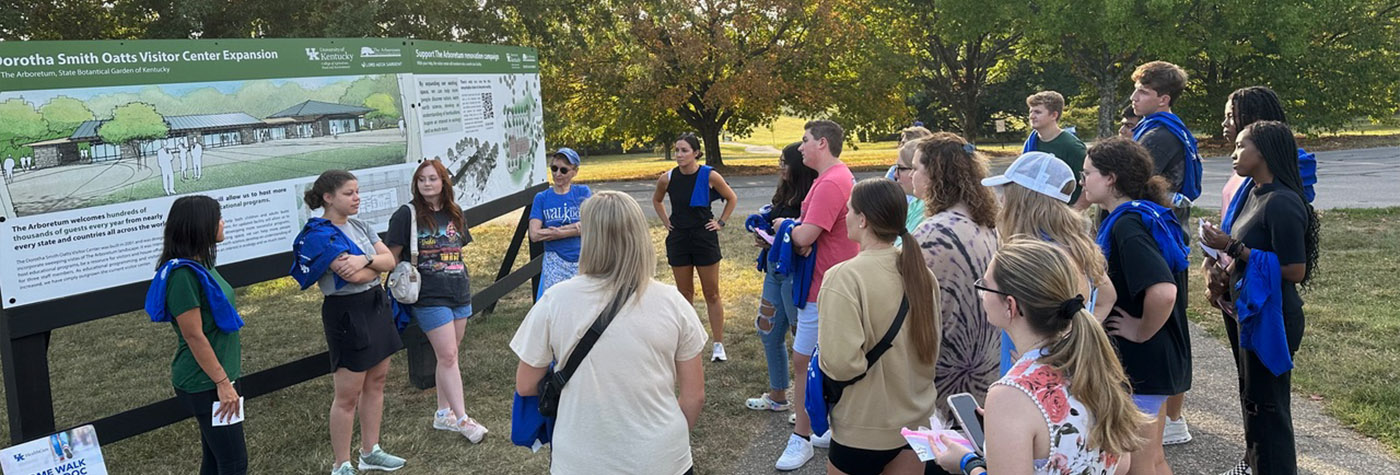
 What has helped spur successful survivorship programs at the ARH hospitals, Boggs said, is the ability to share with and learn from other MCCAN affiliates. “When I attended the 2022 MCCAN Cancer Care Conference, I heard that other facilities had started Walk with the Doc, a national program that invites patients and community members to come out and take a walk with a physician or other healthcare provider. I brought it back to my subcommittee for survivorship and in 2023 we developed our own program that we call Walk and Talk. People enjoy it. They get a little education and a chance to meet with a healthcare professional outside of the hospital setting, which can be intimidating for some.”
Cancer patients at TJ Samson Community Hospital in Glasgow are diagnosed with cancer at a later stage than is typical across the country, said Baylee Knox, a nurse practitioner. Like many rural hospitals, it offers financial assistance for nutritional supplements and transportation help, but it is also hoping to decrease late-stage diagnosis. “To remind our survivors to continue to care for themselves, we began quarterly mailings this past year that focus on screenings such as mammograms, colonoscopies and well exams,” she said. “Our patients have a lot of anxiety that their cancer is going to come back, so it’s important to educate them about screenings, risk factors and knowing the signs and symptoms.”
The hospitals and communities within MCCAN possess some remarkable strengths, said Carey. “They are very creative and motivated,” she said. “It’s not always necessary to reinvent the wheel. Sometimes the best ideas come from connecting the best people.”
BY THE
NUMBERS
ESTIMATED NUMBER OF
CANCER SURVIVORS
18,060,100 Total U.S. survivors
8,321,200 Male survivors
9,738,900 Female survivors
249,090 Survivors in Kentucky
Source: ©2022, American Cancer Society, Inc., Surveillance and Health Equity Science
RISK FACTORS IN KENTUCKY
CANCER SURVIVORS
20.5% of cancer survivors currently smoke
9.4% have unhealthy drinking habits
71.2% are currently overweight or obese
16.6% sleep less than 6 hours per night
Source: 2021 Kentucky Cancer Needs Assessment