
UK HealthCast: Improving How We Care For Heart Valve Disease
UK HealthCast is a podcast series featuring interviews with UK HealthCare experts on a variety of health-related topics.
Heart valve disease affects more people than many realize and its impact is growing as our population ages.
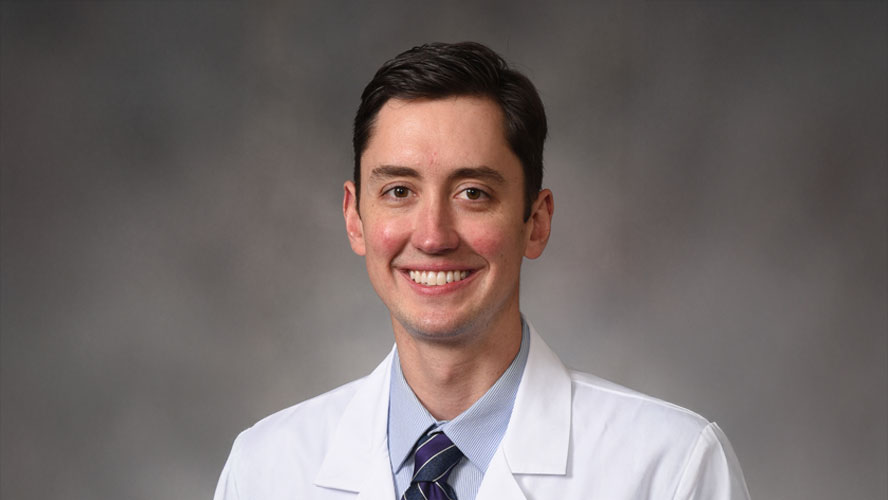
In this episode of UK HealthCast, Dr. Peter Haigh, a non-invasive cardiologist at the UK Gill Heart and Vascular Institute, discusses what valve disease is, how it’s treated and how UK HealthCare is improving the patient experience through a newly restructured heart valve program.
Listen to Dr. Haigh’s conversation below. For key takeaways from that conversation, continue reading.
How valve disease is found
Dr. Haigh often starts by helping patients understand what their valves do in the first place.
“If you imagine rooms in a house, you have doorways that connect room to room,” Dr. Haigh said. “And those are basically the valves.”
When those doorways don’t work properly, problems arise. Valves may struggle to open fully, which limits blood flow forward, or they may fail to close completely, allowing blood to leak backward. Over time, those issues can take a real toll on the heart.
People living with valve disease can develop shortness of breath, fatigue, or difficulty exercising, and without proper care, valve disease can progress to heart failure or even become life threatening. That’s why early detection and ongoing follow up are so important. Valve disease can occur without symptoms until it is quite advanced.
“Typically the diagnosis is made when your doctor hears a murmur,” Dr. Haigh says. That sound often leads to an echocardiogram, an ultrasound that allows clinicians to see how the valves are working, determine how severe the problem is, and determine what steps should come next.
Valve disease becomes more common with age, largely due to years of wear and tear on the heart. In people over 60, moderate to severe valve disease affects roughly 3 percent of the population. But young people can have valve disease too. Some are born with valve abnormalities, such as mitral valve prolapse or a malformedaortic valve, which can cause problems at younger ages.
Dr. Haigh encourages people not to ignore changes in how they feel. The first step is a visit with a primary care provider, followed by further testing if something doesn’t sound or feel right.
Better care for heart valve disease
UK HealthCare’s heart valve program was restructured to make care more efficient and streamlined for patients.
Once someone is referred, a nurse coordinator helps ensure appointments are organized, testing is completed ahead of time, and patients understand what to expect when they arrive. In some cases, imaging like an echocardiogram can even be done the same day.
This structure matters more than ever because valve care has changed dramatically.
“If you go back 10, 20 years ago, if you had a valve problem that pretty much meant you’re going to need to have open heart surgery,” Dr. Haigh says. Today, many patients can be treated with minimally invasive, catheter based procedures instead.
Choosing the best option, however, isn’t always simple. That’s where the team approach comes in. Surgeons, interventional cardiologists, imaging specialists, nurses, and other experts review cases together, ensuring each patient receives care tailored to their anatomy, health status, and personal preferences.
Patients are also enrolled in a valve tracking program, which helps prevent anyone from fall through the cracks. Whether it is monitoring a valve problem before a procedure is needed, or after an intervention has been performed, we want to make sure patients get appropriate follow up care.