


An SMA Pioneer
Chris Smith remembers the exact moment he knew that Granger, his two-week old son, was in the best hands possible.
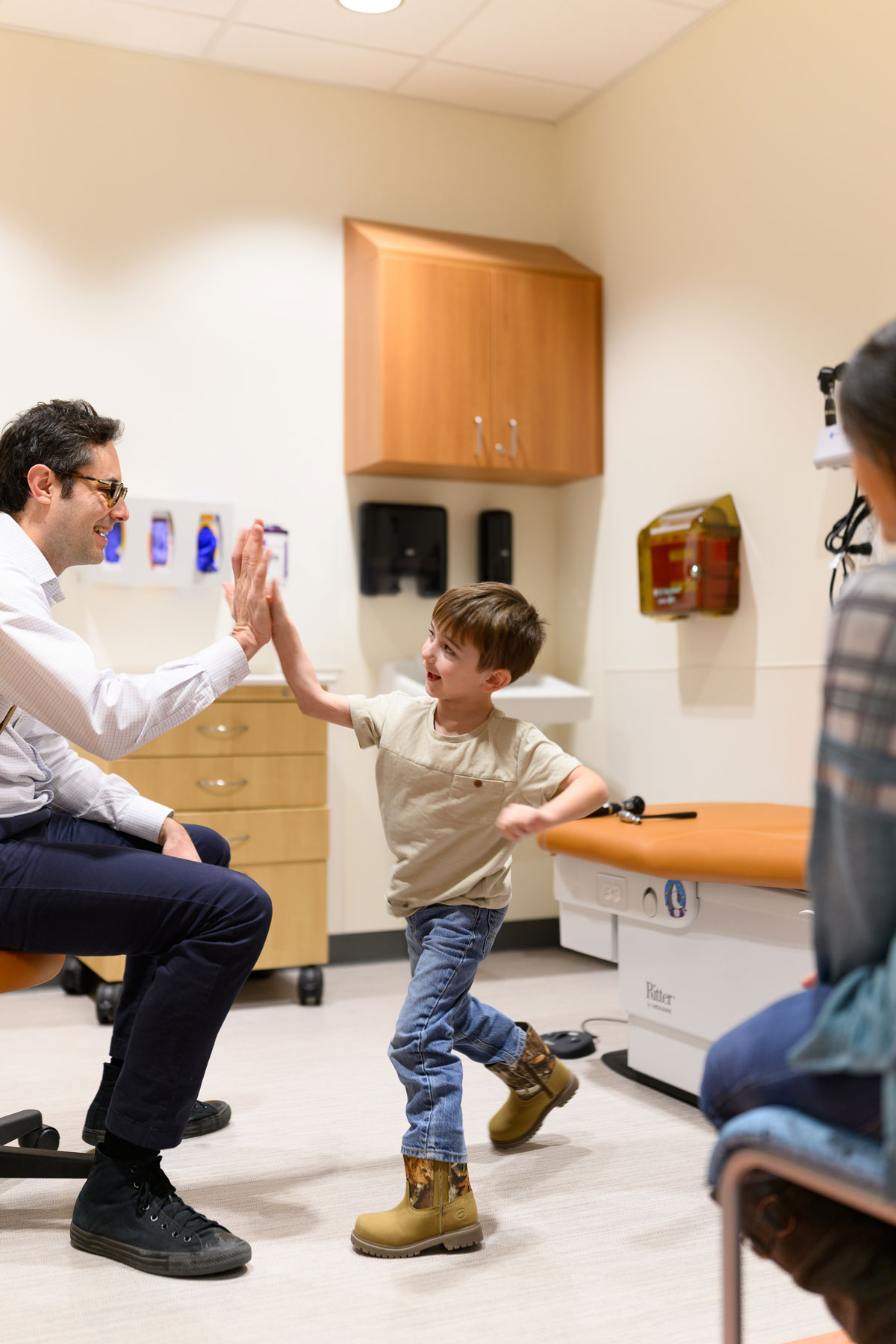
“He’d used the restroom on himself and Dr. Toupin reaches over, gets a diaper and wipes and cleans him up,” Chris said. “And right then I told my wife, ‘This guy’s different.’”
Granger was diagnosed with spinal muscular atrophy (SMA), a rare genetic condition that affects nerve cells called motor neurons. These are the cells that control muscle movement and function throughout our body, including an unconscious process like breathing.
All newborns in Kentucky are screened for SMA; about one in 1,000 are diagnosed with the condition each year in our state. Granger was Chris and Heather Smith’s third child but the only one born with SMA.
He was born at King’s Daughters in Ashland — now part of UK HealthCare — in 2019. But a couple days later, the family’s pediatrician urged them to go to UK Albert B. Chandler Hospital, citing results from the screening. A fear-filled drive from Greenup County eventually led their son to neurologists Dr. William Robertson and Dr. David Neil Toupin.
“At that point in time, when you Googled this, the only thing you’d see was death,” Dr. Toupin said. “That was the way this disease went for most people. It wasn’t widely known how patients did with these new treatments, but we reassured the Smith family that we at UK HealthCare do have these new treatments to offer and that the data looks extremely promising.”
A glimmer of hope
Zolgensma (onasemnogene-abeparvovec), a gene therapy, is one such treatment. The U.S. Federal Drug Administration approved its use in children under two years old in May 2019, just a few months before Granger was born. If his family chose to remain with UK HealthCare, he would become the hospital’s first patient to receive the treatment.
At the time, UK HealthCare didn’t have a clinic dedicated to the administration and management of rare neurological diseases like SMA. Since then, Dr. Toupin has spearheaded the Neurology Evaluation and Management Optimization (NEMO) Clinic. But the Smiths had a big choice to make and fast: take Granger to a hospital with an established, dedicated SMA team or remain in the care of providers to whom they’d taken a liking.
“Do you stay at UK or go somewhere that’s actually dealt with SMA?” Heather said. “Our first interactions with Dr. Toupin and Dr. Robertson, and all of the staff, were the main reason we decided to stay here.”
The insurance approval process for Zolgensma can be taxing on families. Granger’s care team was there every step of the way as they worked to get him approved for the treatment.
“I still remember where I was the night when I got the phone call. It was a three-way call with Dr. Robertson and Dr. Toupin that everything had been approved,” Chris said. “It was probably 8:30, 9 o’clock at night. Both of those guys were on the phone, and you could hear it. They were just as excited to have this treatment done as we were.”
Those diagnosed with SMA are missing a healthy gene in their motor neurons. Zolgensma works by delivering a healthy copy of that gene into the motor neurons of the spinal cord, which then produces the healthy protein throughout the body. It is administered one time through intravenous infusion.
At six-weeks old, Granger made history at UK HealthCare.
Life-changing results
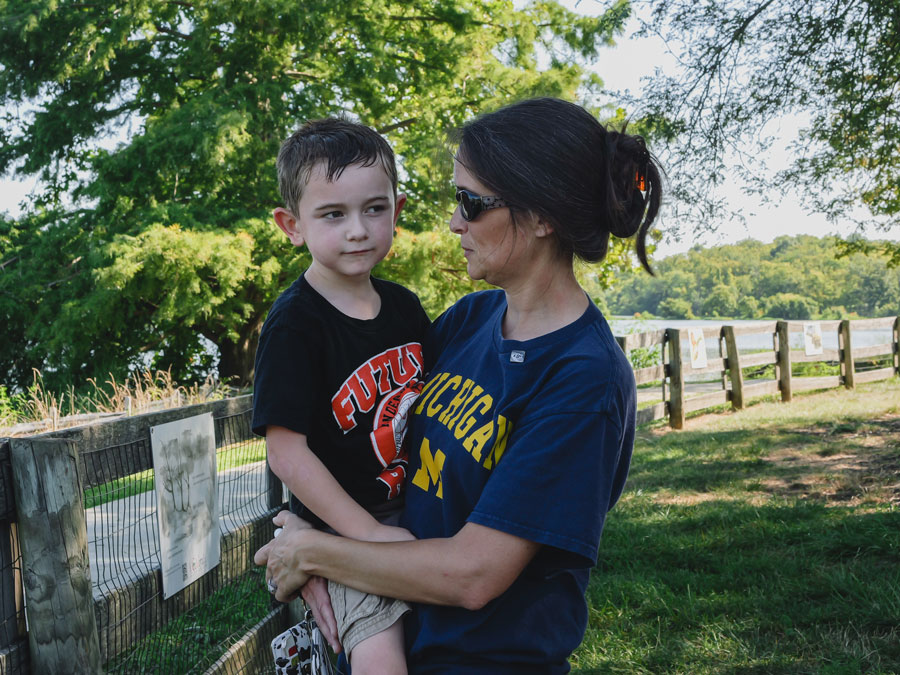
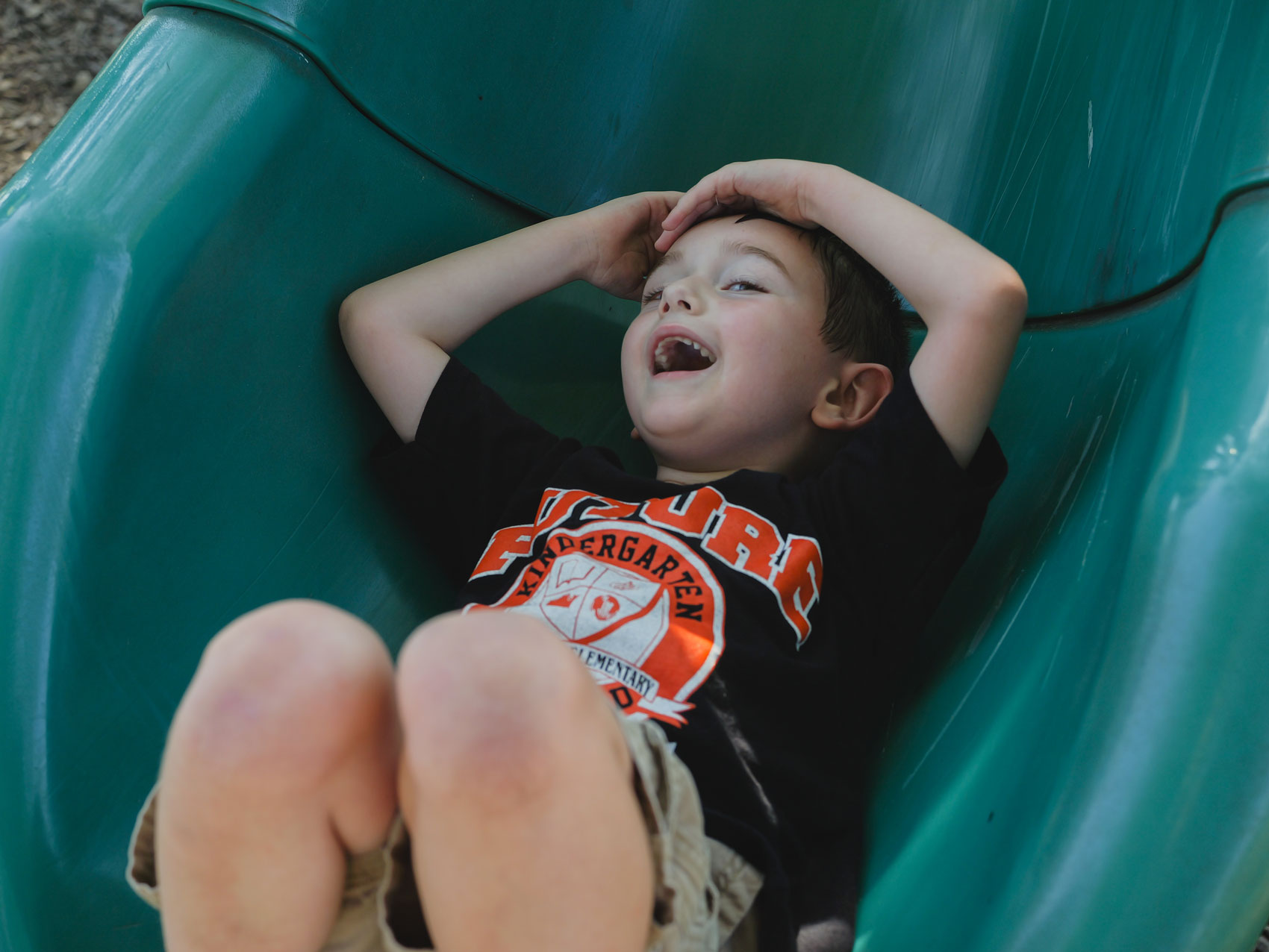
Granger isn’t just growing up. He’s growing up with few of the SMA symptoms that – even a decade ago – might have presented and severely limited his ability to do so many of the things he loves, like chasing his older siblings, Caden and Laken on the playground, or going on hunting trips with his dad.
“We have a lot more good days than bad days, so I’ll take it,” Heather said.
And for many SMA patients in the past, living with severe limitations was the best outcome. Many died before their first birthday. With the advent of treatments backed by rigorous study and an increase in care teams specializing in rare genetic conditions, outcomes like Granger’s could become more typical.
Early detection and treatment are incredibly impactful. Granger’s infusion was administered at six weeks old, at which point some neuron damage was irreversible. He has some muscle weakness that, had he received treatment sooner, might not be present.
“Healthwise, he’s doing great,” Dr. Toupin said. “I expect Granger to live a full life. He may need a little bit of help along the way, but I anticipate he’ll do well long-term."




A movement grows
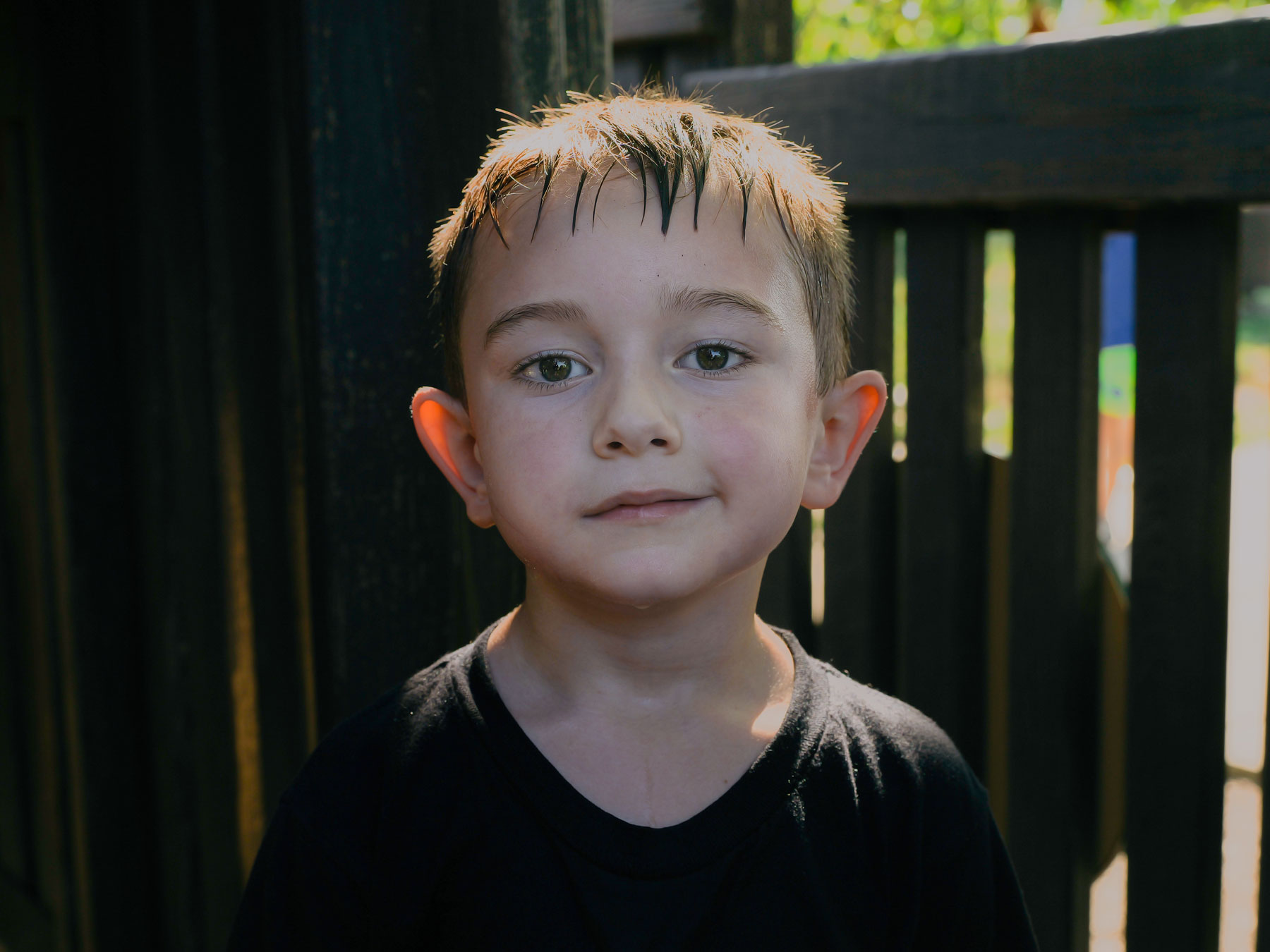
Granger and other kids like him are forever pioneers. Their lives aren’t just meaningful because they get to live them, but because they get to live them as walking monuments to the power of research-backed care. Their lives will make countless others better.
Granger has already had an immense impact. His parents have become outspoken advocates for SMA awareness and for the treatment received at UK HealthCare. Until recently, treatment for SMA was limited to larger, out-of-state health systems. Now out-of-state patients are seeking care in Lexington.
“It’s been a great experience all the way around,” Chris said.
Behind the scenes, dozens of people worked in concert to help get insurance approval for Granger’s infusion. His team of physical, occupational, and speech therapists have been “awesome,” as has Christina Sheppard, the APRN who cares for Granger at UK King’s Daughters.
For Dr. Toupin, Granger’s diagnosis was a crash course in what it would take to make SMA treatment possible in Kentucky. It made him more determined than ever to keep making a difference for Granger and kids like him.
“It was the moment that solidified my journey to treating this disease long-term,” Dr. Toupin said. “That interaction with him and his family helped get me there, because I realized how incredibly special this was, and that we had an opportunity to do this for them was just amazing to me personally.
“There had to be mutual trust between his family and us. This was something brand new. … They could have gone somewhere where they had been studying this drug, and that would have been a reasonable thing to do. But we had this connection on day one that was like, ‘You know what, we feel like we can do this for your child, and we believe we can do this safely and the right way if you stick with us.’ They stuck with us.”