
UK HealthCast: What is Duchenne muscular dystophy (DMD)?
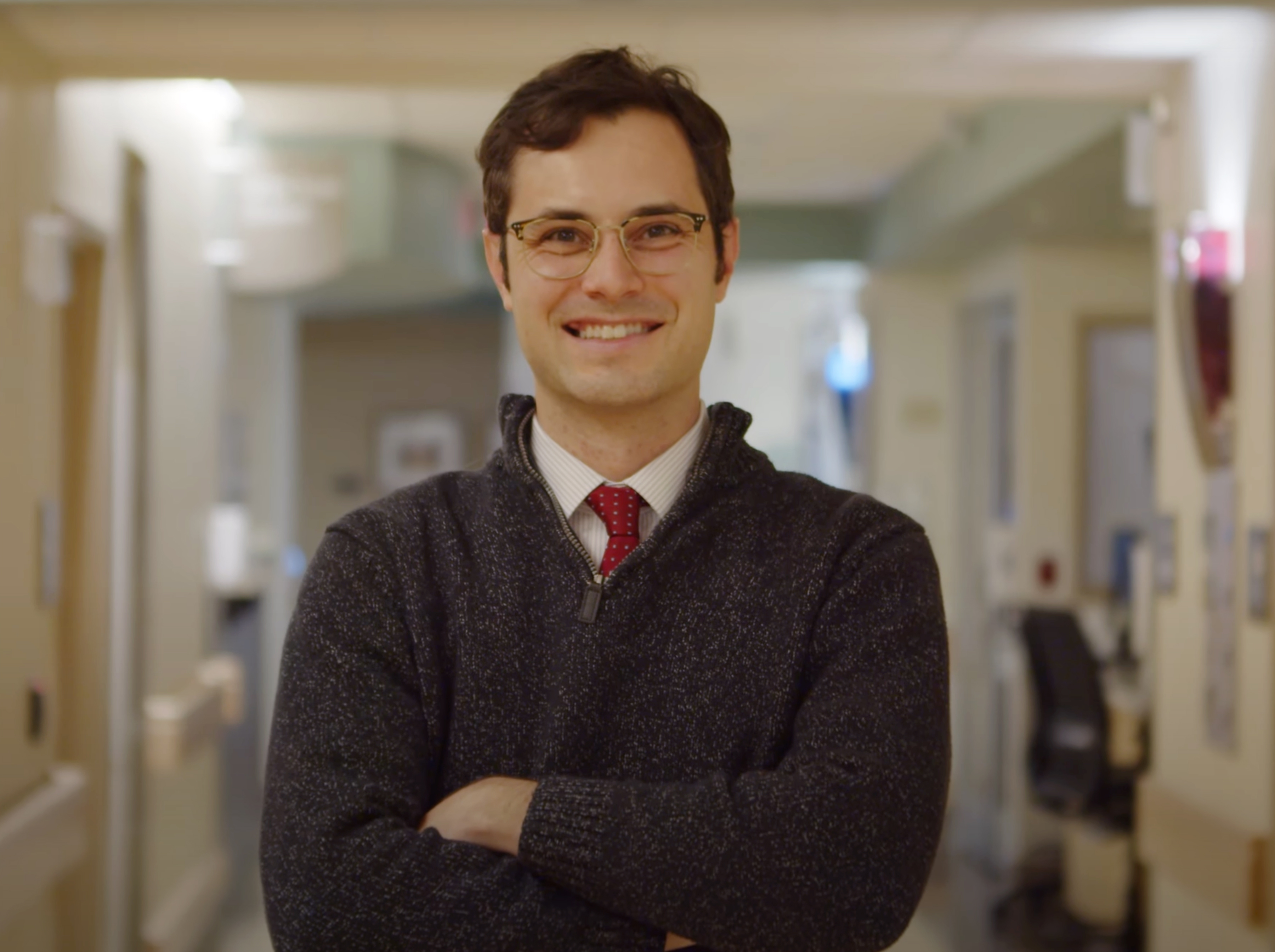
UK HealthCast is a podcast series featuring interviews with UK HealthCare experts on a variety of health-related topics.
On this episode of UK HealthCast, Dr. Neil Toupin, a child neurologist and director of the Neurodevelopmental Evaluation and Management Optimization (NEMO) Clinic, discusses Duchenne muscular dystrophy, one of the rare diseases he treats. Dr. Toupin shares how DMD is treated, what symptoms indicate DMD, who's most at risk for DMD and more.
Listen to Dr. Toupin's conversation below. Keep reading for an edited Q&A from Dr. Toupin's conversation.
What is Duchenne muscular dystrophy and how does it affect kids?
Dr. Neil Toupin: Duchenne muscular dystrophy is a disorder of the muscles. It's a genetic problem that primarily affects boys. And just because it's genetic doesn't mean it's inherited. Sometimes families don't know that they're carriers of this, or sometimes babies are born, and they have no idea and their child has Duchenne muscular dystrophy. It causes progressive muscle weakness, a loss of muscle strength, over time. Unfortunately, this ultimately leads to an early death, typically in early adulthood.
What are some early signs or symptoms of DMD?
Dr. Neil Toupin: Families typically start picking up on the weakness when their child is 4-5 years old. Boys may not be keeping up with their peers. They may have muscle aches or pains walking on their toes, be slower getting up from the ground, things like that. They bring this up to their primary care doctor, who eventually can make the diagnosis or get them to the right diagnosis. But sometimes there are symptoms before 4-5 years old, like motor delays or delays in other areas like speech. That can sometimes be seen in boys with Duchenne.
How is care and treatment for DMD coordinated at UK HealthCare?
Dr. Neil Toupin: Duchenne can be a very overwhelming diagnosis. Part of that is because of the number of different healthcare providers that your child should be seeing. It's not just a neurologist. We also have therapists, physical, occupational, speech therapists, psychologists. We have social workers, dietitians. We also have heart doctors, lung doctors, endocrinologists, who all play a really important role in the care of boys with Duchenne. And these providers in our clinic all work together. We all work in the same one- or two-day clinic to really make sure that we all communicate well, but also to decrease the burden on the families.