A New Opportunity to Live
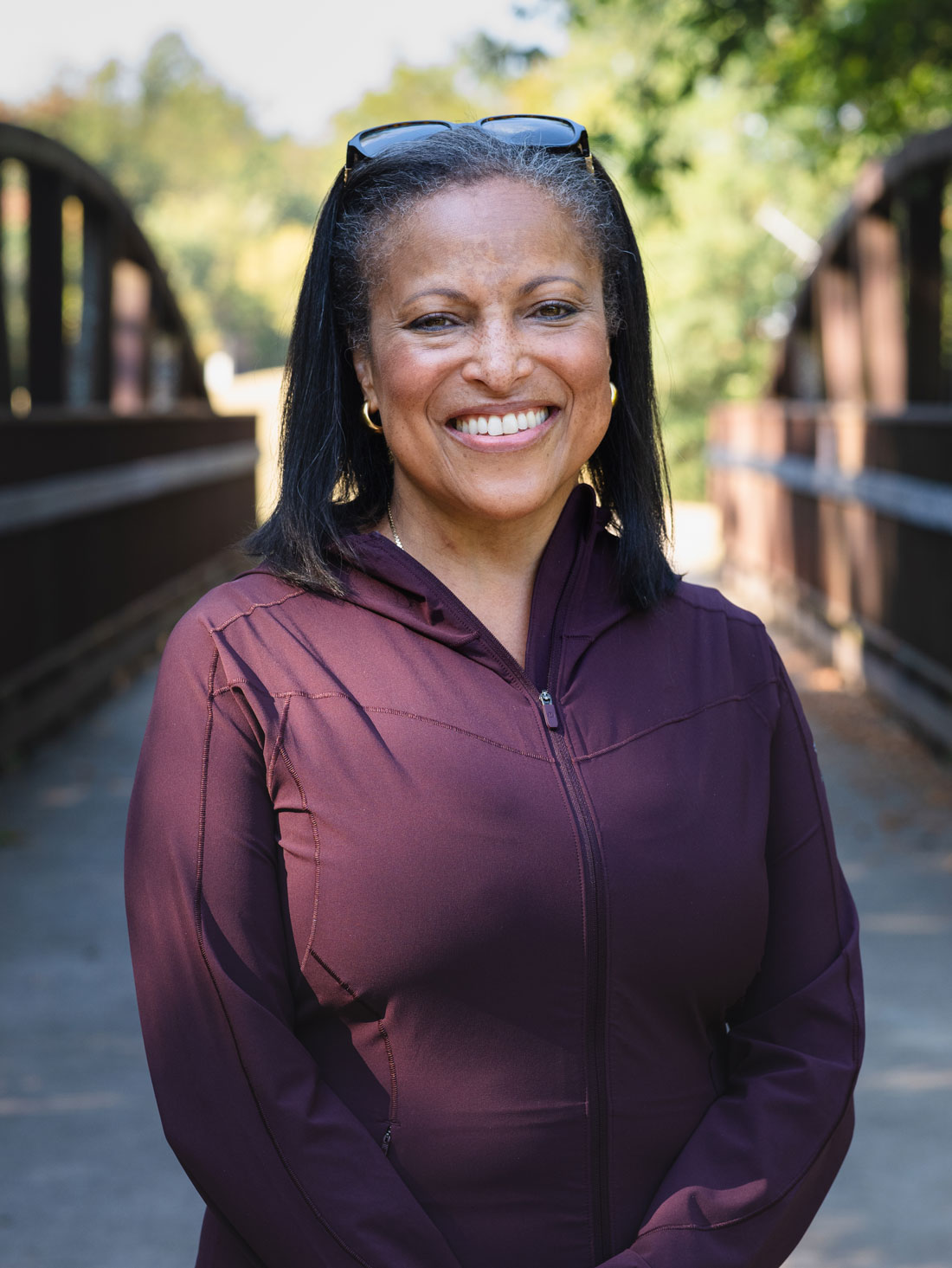
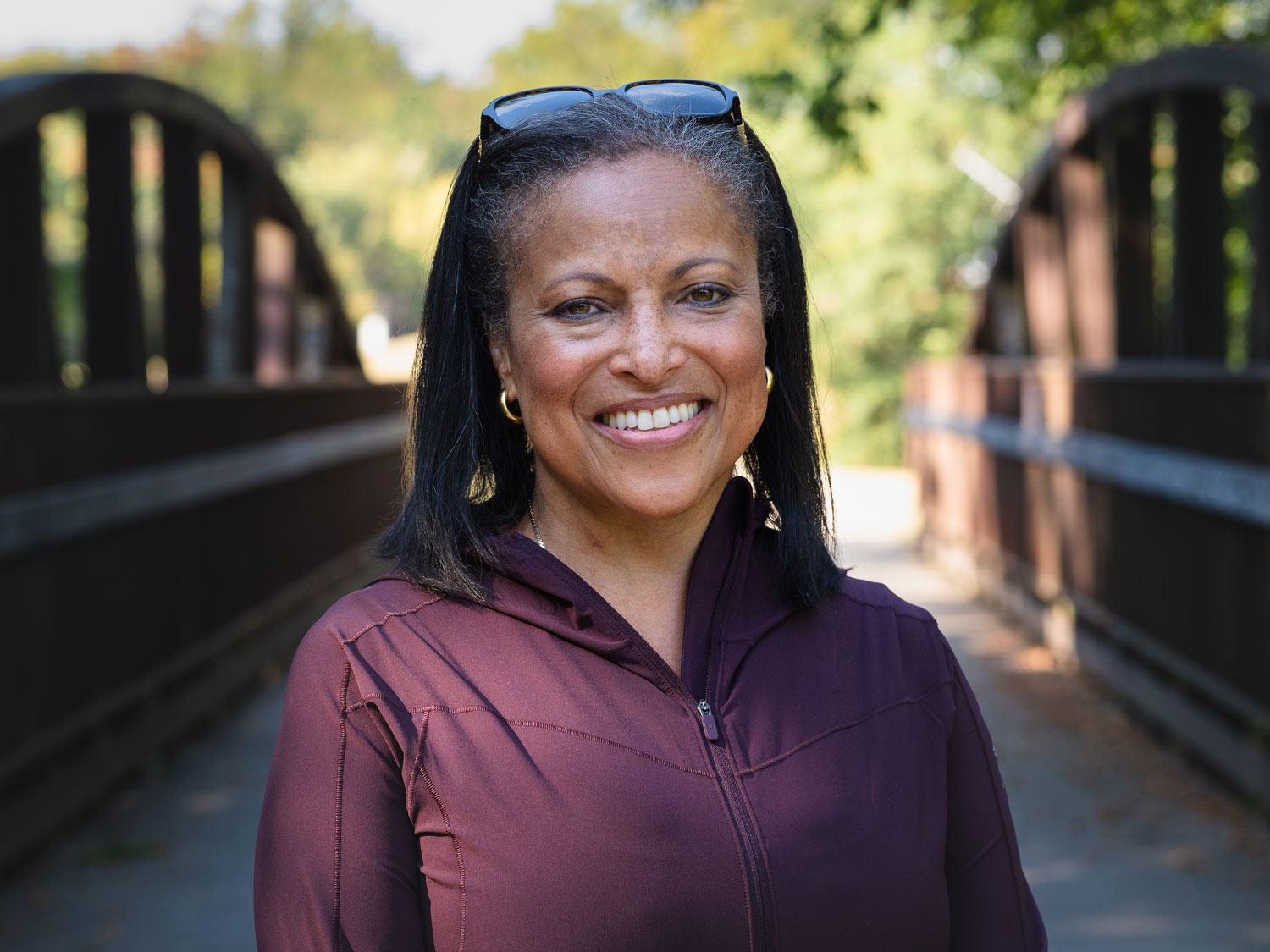
As a pathologist, Dr. Maria Braman is trained to see bodies as a collection of parts, interconnected and working in perfect concert to compose the quiet symphony of life. The heart pumps the blood, oxygenated by the lungs, through miles of vessels to every corner of the body, supplying organs and tissues with the air and nutrients to fuel life.
But it’s because of her training as a medical doctor that Maria is all too aware of how even the smallest contagion — mold spores, for example — can disrupt the body’s delicate balance. She spent her career identifying these disruptions in others, never dreaming she would personally experience them.
Maria’s medical career has taken her all over the country – from her native Washington, D.C., to Montana, to Kentucky. During her Montana years, first spent helping establish the state’s first accredited breast center before becoming her hospital’s vice president of medical affairs, she and her family embraced an active, adventurous lifestyle. Weekends were spent hiking Montana’s rugged terrain and running 50K races. After a lifetime in busy, congested D.C., Maria savored the clean air of Big Sky Country.
She later discovered the air was not so clean after all.
Farmer's lung
The Bramans’ home was next to a large ranch that grew hay. Flourishing in the hay bales was a type of mold that can lead to serious lung disease when inhaled by those with a particular sensitivity.
Hypersensitivity pneumonitis is considered a relatively rare interstitial lung disease in the United States, affecting roughly three out of every 100,000 people. Prevalence tends to be higher in rural or agricultural regions, where exposure to organic dusts is more common.
Maria was diagnosed with hypersensitivity pneumonitis in 2013. In layman’s terms, her type is called “farmer’s lung.”
“My family and I enjoyed being outdoors in the wilderness, having the windows open at home,” Maria said. “It’s just ironic — you think you’re moving to Montana, where it’s much healthier than living in the city. I should have stayed with the smoke and congestion.”
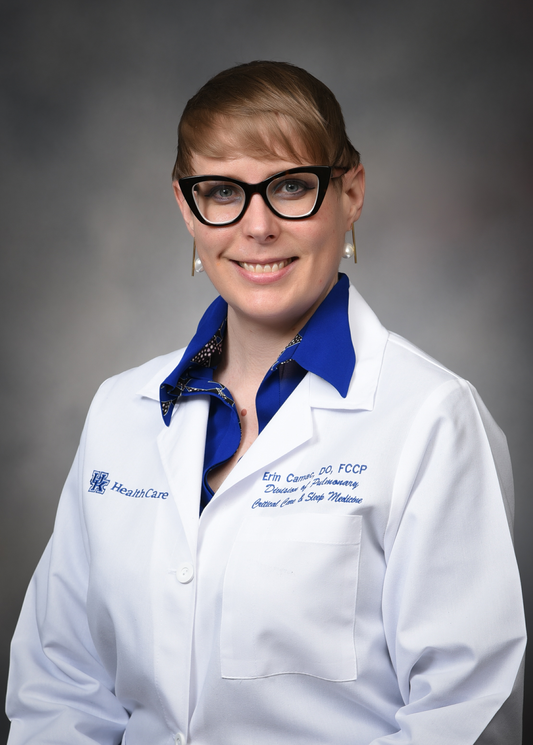
Maria’s health declined slowly over the years. First, she realized she could no longer run, but she could still hike. But then hiking became a challenge if the incline was too high. Determined to stay active, she would walk loops on flat ground; over time, that also became too difficult. In 2016, she came to Kentucky for work. Once she traded the big sky of Montana for the hollers of Kentucky, she managed her lung health with Dr. Erin Camac, a pulmonologist at UK HealthCare, through medication and lifestyle changes.
Despite her declining lung function, Maria was determined to stay strong for her family. When the gradual loss of ability and independence began to affect her mental health, she enrolled in therapy to improve her mindset and outlook.
“I wouldn't call myself religious, but I have strong faith,” Maria said. “I really tried not to allow myself to be overwhelmed by it. You've got to move forward, you know? Because there were times, especially when things got really bad, I had to make a choice: am I going to spend my time worrying about this, or am I going to use what time I have to try and be productive and thankful?”
Rare pneumonia causes a setback
That strong mindset served her well until March 2024, when she was diagnosed with pneumocystis jirovecii pneumonia (PJP), a rare but serious complication caused by a fungal infection. While someone with healthy lungs could be exposed to the fungal spores and not show symptoms, it spreads easily and can be especially harmful to someone with compromised lung function.
Maria was hospitalized for five days; her lungs, already irreparably damaged by the pneumonitis, couldn’t breathe for her anymore.
“Pneumonia can be a major setback for patients with hypersensitivity pneumonitis,” said Dr. Naureen Narula, a pulmonologist in the UK HealthCare Transplant Center. “The inflammation from pneumonia adds stress to already damaged lung tissue and can trigger an acute exacerbation — essentially, a sudden worsening of lung fibrosis. This inflammatory cascade can accelerate scarring, reduce oxygen exchange and lead to a rapid decline in lung function.”
After Maria was discharged, even little things such as doing laundry, grocery shopping or taking a shower felt impossible. The damage from PJP compounded the effects of more than a decade with chronic lung disease. Reliant on a wheelchair and oxygen, Maria knew it was time to consider being evaluated for a double lung transplant.
“In my mind, I was like, ‘OK, I’ve got pneumonia. I’ve known plenty of people who have pneumonia, get treated, then they get back to where they were,’” she said. “When Dr. Camac came into my hospital room and said it was time to start discussing transplant, it shocked me. I was not at that point thinking that way — I hadn’t even imagined that I was taking that turn.”
But it was her medical training that reinforced the reality of her situation.
“There’s no naivete of how bad things were getting. It was clear to me,” she said. “You’re not naive about how serious it is. You can’t escape that.”
With support from Dr. Narula and transplant coordinator Ashley Rakityan, Maria began the intensive, months-long evaluation process. Finally, on Nov. 8, 2024, she was placed on the list for a double-lung transplant and prepared herself and her family for the expected agony of a long wait.
Receiving new lungs
Less than a week after being listed, while in the transplant clinic for a routine visit with Dr. Narula, Rakitjan let her know that Dr. Narula wouldn’t be able to see her that day.
Not a problem, Maria thought. As a doctor herself, she knows how often they get called away for emergencies.
Rakitjan knelt beside Maria’s wheelchair. “Wouldn’t you like to know why she can’t see you today?” she asked. Maria shrugged and said sure.
“She said, ‘We have lungs for you. Dr. Narula went to go look at them, and we have to admit you right now,’” Maria said. “It’s crazy. I went in for my appointment, then was wheeled over to the operating room. It was incredible. It felt miraculous.”
“It was truly one of those rare and beautiful moments that stay with you,” Dr. Narula said. “These decisions take time — discussions with the donor team, reviewing imaging and labs, and confirming a crossmatch. By 7:30 a.m., we had accepted the lungs. Coincidentally, Maria arrived for her routine clinic visit just 30 minutes later. She was sitting in the waiting area with her family when we gave her the news in person. The entire room was overcome with emotion — tears, hugs, disbelief. It was a moment of joy and gratitude that our entire team cherished. These moments remind us why we do this work.”
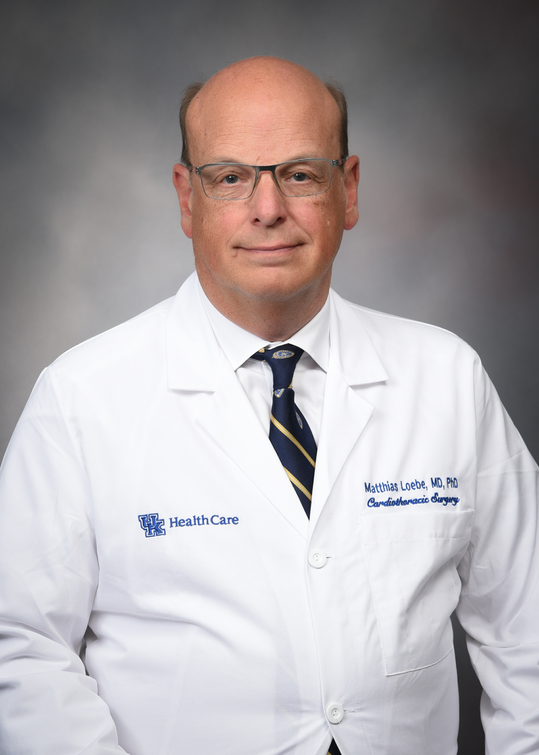
Maria frantically called her family; her mom flew in from Washington, D.C., and the family gathered at the hospital and settled in for a long surgery. Many patients on the waiting list contend with the possibility of being sent home if the organs aren’t a perfect fit, but the stars aligned for Maria. The transplant, performed by Dr. Matthias Loebe, took hours.
When she woke up, her breathing tube was removed and she cautiously took a few short breaths. After living with her damaged lungs and needing oxygen for so long, Maria almost forgot what breathing felt like.
“So that’s something you really have to train your mind on,” she said. “I heard people talk about it and didn’t understand it until I had to go through it. It’s one of the things you keep hearing from lung transplant patients — learning how to breathe again, trusting the new lungs — and it’s terrifying.”
Responsibilities
Part of getting to know her new lungs is accepting the gift her donor gave and the sacrifice from their grieving family. Maria doesn’t know anything about her donor, whose decision to be an organ donor allowed Maria to have more time with her family.
The night before her surgery, she didn’t sleep. While her family was celebrating, Maria was heartbroken for her donor’s grieving family. She described the feeling as something akin to survivor’s guilt; she knows she’s not the reason that person lost their life, but it’s that loss that allows her to live. She returned to the same strong mindset that helped her through the darkest days of her lung disease.
“Someone has made this incredible choice to donate, and their hope is not going to be that you live in despair and feel guilty about that,” Maria said. “The hope in donation is you’re giving someone else the opportunity to fully live.”
Post-transplant, Maria feels stronger than she has in years. She walks two miles a day. She relishes her ability to do everyday things, such as walking around the grocery store. She thinks about the future differently. Before, she planned to prepare her children on how to navigate life after her death. Now she’s making different preparations: big-time travel plans.
Maria hasn’t been cleared to fly just yet, but she’s counting down the days to when she can fully live the life she knows her donor would want for her. She and her family are going to Italy in 2026.
“There’s a responsibility to not only yourself and your family, but now you’ve got someone else,” Maria said. “I sort of talk to my lungs, saying I know we’re still getting to know each other. I try to make sure they’re well taken care of.”
Even after her extensive medical training, years of practicing medicine, months of researching organ transplant, dozens of testimonials from other recipients, and long conversations with her transplant team,
Maria is still in awe of the intricacies of the human body — its capacity for renewal, the delicate coordination of organ systems and the science that makes something as complex as organ transplantation possible.
She finds it impossible to articulate. You must experience it.
“I don’t know how to explain it,” she said. “It’s an amazing thing that someone else’s lungs are keeping me alive. I’m a doctor — I should be able to grasp this. But there’s such an emotional part that goes beyond logic and medicine.”