
Specialty cardiology programs go beyond the heart
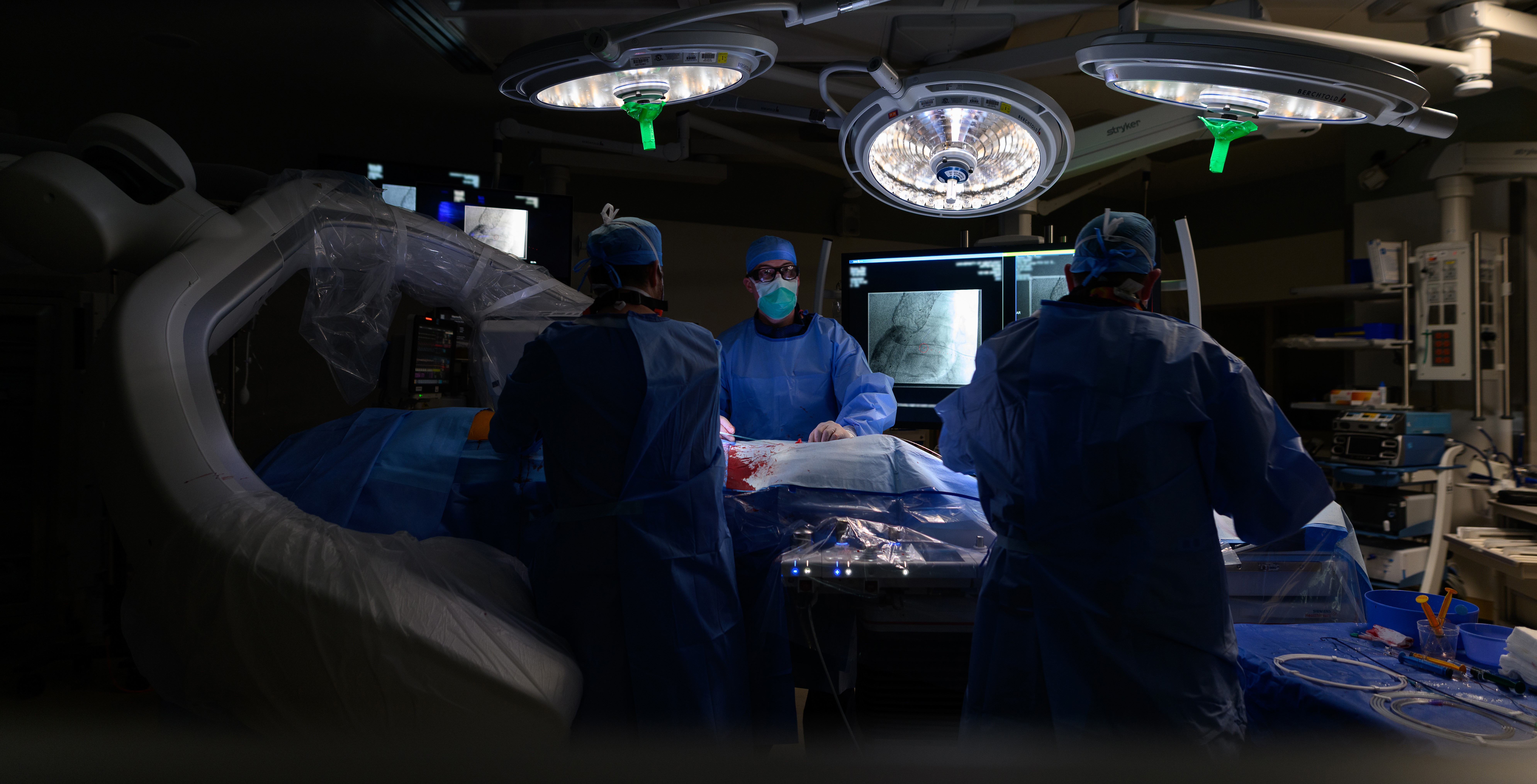
There’s a complicated yet vital interconnectedness between cardiovascular well-being and other health problems. Through the growth of specialized cardiovascular programs, the UK Gill Heart & Vascular Institute is optimizing heart health while addressing the unique needs of subsets of patients, such as those with chronic illnesses, complications from pregnancy or diseases like cancer.
Cancer survivors have a significantly higher risk of heart failure, stroke and other cardiovascular diseases, numerous studies published in the Journal of the American College of Cardiology have confirmed. And with an estimated 15 million people in the U.S. who already have both cardiovascular disease and a history of cancer, it’s a concern that has University of Kentucky physician scientists and researchers at the Gill Heart & Vascular Institute homing in on the special needs of a unique population.
While many survivors of life-threatening diseases, like cancer, can later develop heart conditions, it is equally common for people with existing heart disease to go on to develop these serious illnesses. The cardio-oncology program at UK is just one of several specialty cardiology programs focused on identifying, diagnosing and managing individuals with these distinct medical needs. They have also made large strides towards learning more about the cardiotoxic side of treatments such as chemotherapy, radiation, and immunotherapy medications.
The program, which began about four years ago, resulted in UK HealthCare being named a Gold Class Center of Excellence by the International Cardio-oncology Society. The latest addition to the team is a dedicated pharmacist, important for monitoring drug interactions and titrating medications, as well as understanding the newest drugs coming to market.
“Embedding our pharmacists into specialty areas is something that we have been doing for many years,” said cardiology clinical pharmacist Ashley Schenk. “But we have continued to expand into the clinics, making it possible to actively contribute to patient care plans, rather than being reactive. We have become an indispensable part of the team.”
Along with assisting in medication decisions related to a patient’s cardiac condition, pharmacists also assess other health issues the patient may have, such as diabetes or infections, to ensure that the prescribed medications don’t interfere with one another.
“And we spend a good part of our day figuring out how to get medications that are affordable for our patients because if they can’t afford it, they won’t continue to take it,” Schenk said.
The cardio-oncology program also participates in clinical trials like the Abatacept Compared to Placebo for the Treatment of Immune Checkpoint Inhibitor Associated Myocarditis (ATRIUM) study. Myocarditis, while an uncommon complication of immune checkpoint inhibitors, can be fatal.
Good collaboration with oncologists ensures early detection of heart issues related to cancer diagnoses. This allows for early intervention with the best hopes of returning heart function back to normal. This type of partnership is essential for providing top notch care to patients across the Commonwealth.
Healthy mothers, Healthy babies
A similar philosophy has led to the growth of the high-risk pregnancy clinic for women with cardiovascular problems. “This is a specific subset of patients who need specialized care,” explained Dr. Vedant Gupta, Acting Director, Cardiovascular Service Line. “We have gotten better at managing chronic conditions and as more young patients with cardiovascular disease and congenital heart problems grow into young adults who want to start families, we need to be mindful of the risks.”
The cardio-obstetrics program relies on timely touchpoints with the multidisciplinary team that can include cardiologists, obstetricians, anesthesiologists, aortic disease specialists, vascular surgeons and other specialists, Dr. Gupta said. “This is a huge team effort. We will bring together everyone we need to get the mother through pregnancy safely and make sure she and baby are okay,” he said.
While the risk of a cardiovascular complication during pregnancy is relatively low at about five percent, there are a number of conditions, including hypertension, diabetes and congenital heart disease that can predispose pregnant women to cardiovascular disease. In addition, the hormonal changes, increase in blood volume and changes in blood flow and blood pressure that occur during pregnancy can put extra strain on the heart.
“Any woman who has active symptoms during pregnancy needs an evaluation, as does any woman with established cardiovascular disease, heart failure, metabolic disease or a genetic disorder such as Marfans or Ehlers-Danlos Syndrome,” Gupta said.
Women with cardiac problems have special needs that go beyond pregnancy, as well.
It’s a subject that hits home with Schenk. Born with coarctation of the aorta, she underwent heart surgery when she was five weeks old, and as an adult, she still understands the unique needs that are common for women with heart disease.
“I was a patient as a child, and I still have a bicuspid aortic valve and receive ongoing medical care. Now that I work as a cardiology clinical pharmacist, I have an appreciation for both sides and understand how vital our contributions are to the team,” Schenk said.
The heart of an athlete
Like cardio-obstetrics and cardio-oncology, the sports cardiology program at UK has grown exponentially in recent years. With a focus on ensuring optimal heart health in individuals whose physical demands place them at greater risk for cardiovascular issues, the program is not only developing better and more expansive screening programs for athletes at UK but is becoming more aggressive about prevention.
“As a society, we think an athlete is a fit person and can’t have heart disease. It’s a common misconception,” said Dr. Marc Paranzino, director of the sports cardiology program. “Our goal is to make sports participation safer and to enable athletes to return to play as quickly as we safely can when a problem is found.”
The team is focused on reformatting its screening program, concentrating first on football, basketball and soccer. “These are sports with the highest risk for sudden cardiac death,” Dr. Paranzino explained. “We’d like every athlete in these sports to have a screening ECG and, eventually, we’d like all athletes at UK, no matter their sport, to undergo an ECG as part of their screening.”
History and a physical plus an ECG helps identify more disease than history and physical alone, he said.
One of Dr. Paranzino’s key messages to athletes, as well as their parents, coaches and athletic trainers, is to get checked immediately if there are symptoms such as passing out, unexplained exercise intolerance, chest pain, palpitations or anything else out of the norm for the individual.
“We have become much better at questioning our athletes about how they feel,” he said. “If you ask an athlete if they feel short of breath, they’ll tell you yes, but it’s because they were sprinting. If you ask them, are you feeling short of breath out of proportion with what you are doing, that’s when you’ll get a more accurate answer.”
In addition to UK team screenings, the sports cardiology program is tied closely to several area sports club partners and athletic groups. And on the horizon is more attention to maximizing an athlete’s performance by incorporating sophisticated exercise and metabolic testing to gain further insights into the body’s response to exercise.
Collaborative approach no matter the problem
UK HealthCare’s commitment to collaboration has led to more research groups that cross specialties, made the expansion of clinical services possible and had an impact on patient outcomes.
For example, fostering teamwork among vascular and endovascular specialists, structural heart experts, cardiothoracic surgeons and others has brought a more comprehensive approach to patient care, said Dr. Sam Tyagi, a vascular and endovascular surgeon.
“People are comfortable doing what they were always comfortable with,” he said. “That doesn’t necessarily result in offering patients the most cutting-edge or comprehensive options.”
For innovation to occur, the doctors understood they needed to work differently, Dr. Tyagi said.
“Now, at our multidisciplinary conferences, we have experts in every modality sitting down together and putting multiple eyes on a patient, providing a thorough evaluation of the problem and giving very objective, unbiased opinions. The group is stronger than the individual.”
It’s a unique relationship that hasn’t gone unnoticed by others, he added.
“Many of our industry partners now want us as part of their clinical trials because of our collaboration and experience,” Dr. Tyagi said. “Other programs still have turf wars and a competitive environment. We want what’s best for patients, and to deliver that in this rapidly evolving realm of cardiovascular care, we must work together.”