
'I thought it was out of reach.'
Key takeaways
• Nicola Allen had bariatric surgery at UK HealthCare in December 2021 after years of poor health.
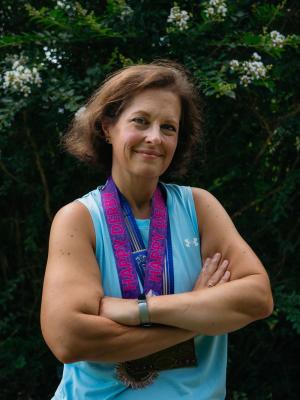
• She lost more than 170 pounds and now walks five miles a day and runs outside.
• She says she gained the tools, confidence and support to take charge of her
Nicola Allen used to drive half a mile to the gas station near her house. Walking there didn’t feel possible.
“I wouldn’t have walked it,” she said. “Now it’s like, by the time I get in my car and drive, I could already be there and back.”
That shift didn’t happen overnight. But it started with one decision: Nicola chose to have weight-loss surgery at UK HealthCare.
At the time, she weighed 350 pounds. Her joints hurt. She couldn’t breathe easily. She didn’t move much or exercise at all.
“I quit taking pictures of myself when I was about 280,” said Nicola, now in her early 40s and a psychiatric nurse practitioner in Lexington. “I was so negative about my self-image.”
She grew up in Eastern Kentucky. She describes her childhood as being “raised in a broken home” and said she didn’t attend school regularly until she was 12. Meals often came from fast food or a box. As a young adult, she wasn’t sure how to care for her own health.
“I was a smoker and a drinker for many, many years,” she said. “Even though I was a nurse, I didn’t know how to feed myself.”
Seeing patients, then becoming one
While she was working as a nurse in Lexington, Nicola sometimes encountered patients who had gone through weight-loss surgery. She said she admired their progress and saw how the program worked. At first, she didn’t think she could qualify herself. She also thought the surgery might be out of reach because of the cost and her history as a smoker.
But she quit smoking and later realized how many empty calories alcohol added to her diet. She also found out Dr. Joshua Steiner had moved his practice to UK HealthCare, where he is director of Bariatric Surgery — and that her insurance would cover almost all of the cost.
“I think I paid about $300,” she said. “And I knew I could do it.”
Nicola had gastric sleeve surgery in December 2021. A gastric sleeve, also called sleeve gastrectomy, is a type of bariatric (weight-loss) surgery. It involves removing about 80% of the stomach, leaving a small, tube-shaped “sleeve” that holds much less food.
Unlike gastric bypass, it keeps the digestive system intact and focuses on limiting how much you can eat.
Nicola’s care team helped her manage everything, including the recovery. She was back at her desk job within a week and returned to bedside nursing in four to five weeks.

Building new habits, one step at a time
The physical changes didn’t stop there. She started small.
“I would walk 15 minutes on a treadmill once a week,” she said. “That was it.”
Then she added weights. Then she started jogging. Now she runs outside, up to two miles, and works with a personal trainer. “I never thought I’d be able to run,” she said. “Now I can.”
Mary Beth Keeton, UK HealthCare’s ambulatory nurse manager and bariatric coordinator, said Nicola’s progress shows what’s possible.
“She did great the whole time. But then when she put in the additional, true, dedicated cardio exercise and weight training, it has really skyrocketed her for even further weight loss,” Keeton said. “Her mobility is out of this world.”
Nicola now weighs about 170 pounds. She eats a vegetarian diet, tracks her protein, avoids carbonation and skips drinking through straws — all tips she learned from the clinic’s dietitians.
She also takes pride in how she feels.
“I used to be on several cholesterol pills,” she said. “Now my levels are normal. My liver is healthy. I’m not prediabetic anymore. My heart rate is beautiful.”
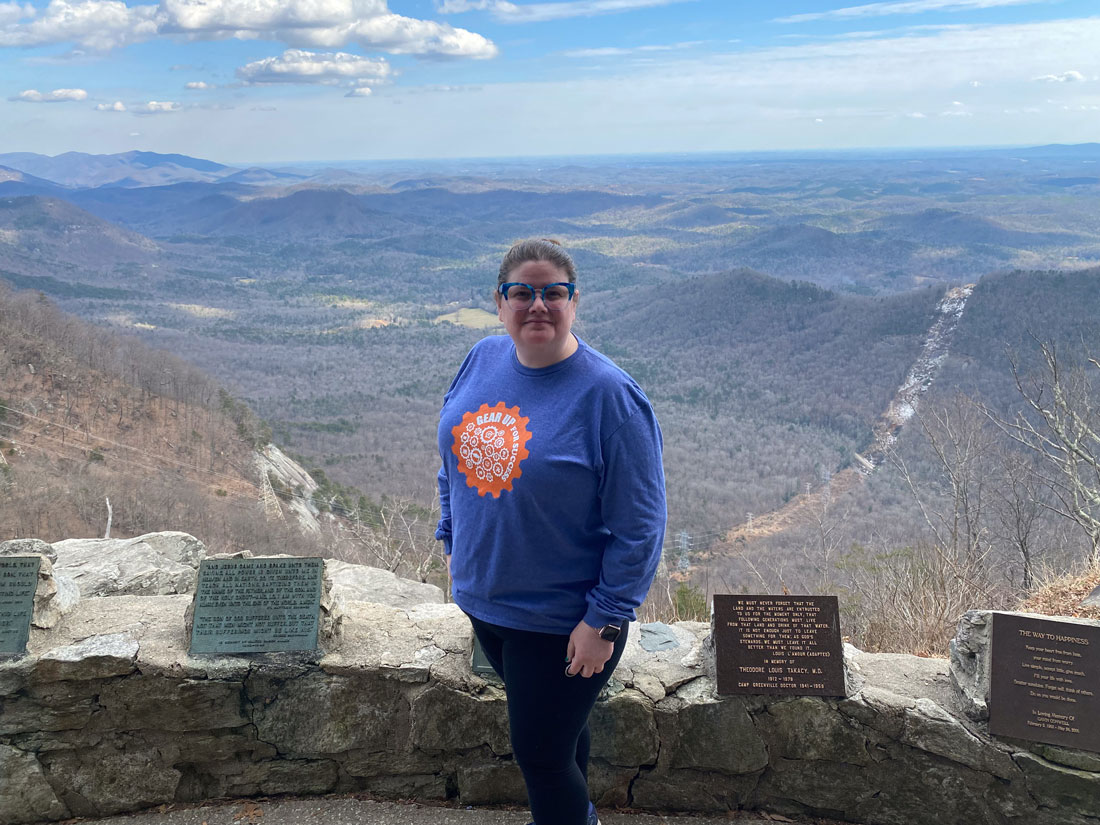
Her mental health has improved, too. Nicola used to take several antidepressants. Now, she said being able to do the things she loves — like hiking and walking outdoors — helps keep her grounded.
“Exercise has changed everything for me,” she said. “It’s made me happier, calmer and more confident.”
A new career, a new outlook
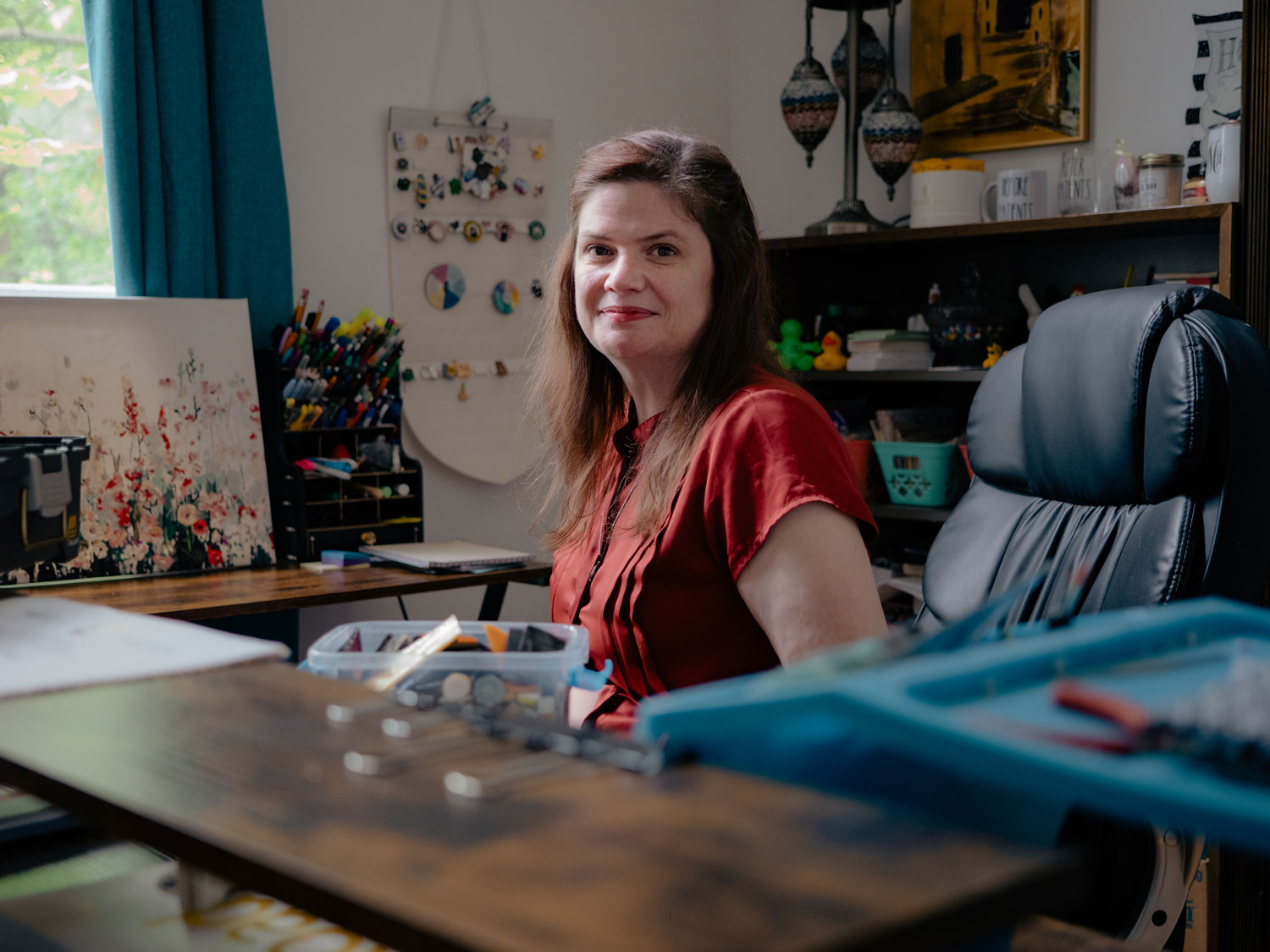
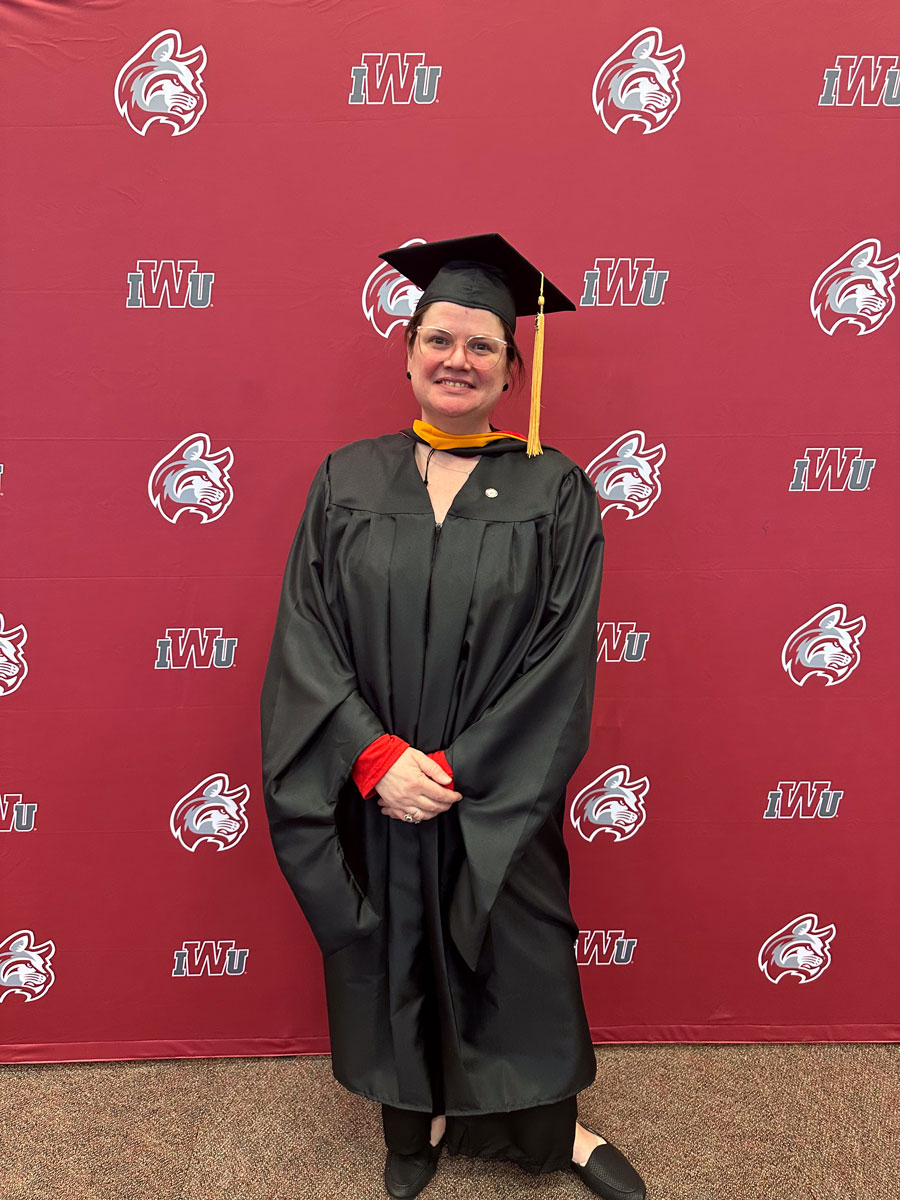
Nicola went back to school and became a psychiatric nurse practitioner. She now works with children being evaluated for autism.
“I never would’ve done that if I hadn’t gotten healthier,” she said.
Keeton said Nicola’s story is a good reminder that surgery is just one tool. Success takes work and support.
“We tell people the first step is just showing up,” Keeton said. “You may not be able to do much right away, and that’s OK. But once you start to feel better, you’ll be ready to do more.”
Keeton also points out that UK HealthCare’s program stays with patients for life.
“This isn’t like gallbladder surgery where you have it and move on,” Keeton said. “We walk with you through every phase: before, during and after.”
Nicola said she keeps every bariatric follow-up appointment.
She has become a role model to others in her life. Her mother and uncle have quit smoking. Her 25-year-old son is working on his weight loss goals.
“I’ve told everyone about what this program did for me,” she said. “I thought it was out of reach. But it wasn’t.”
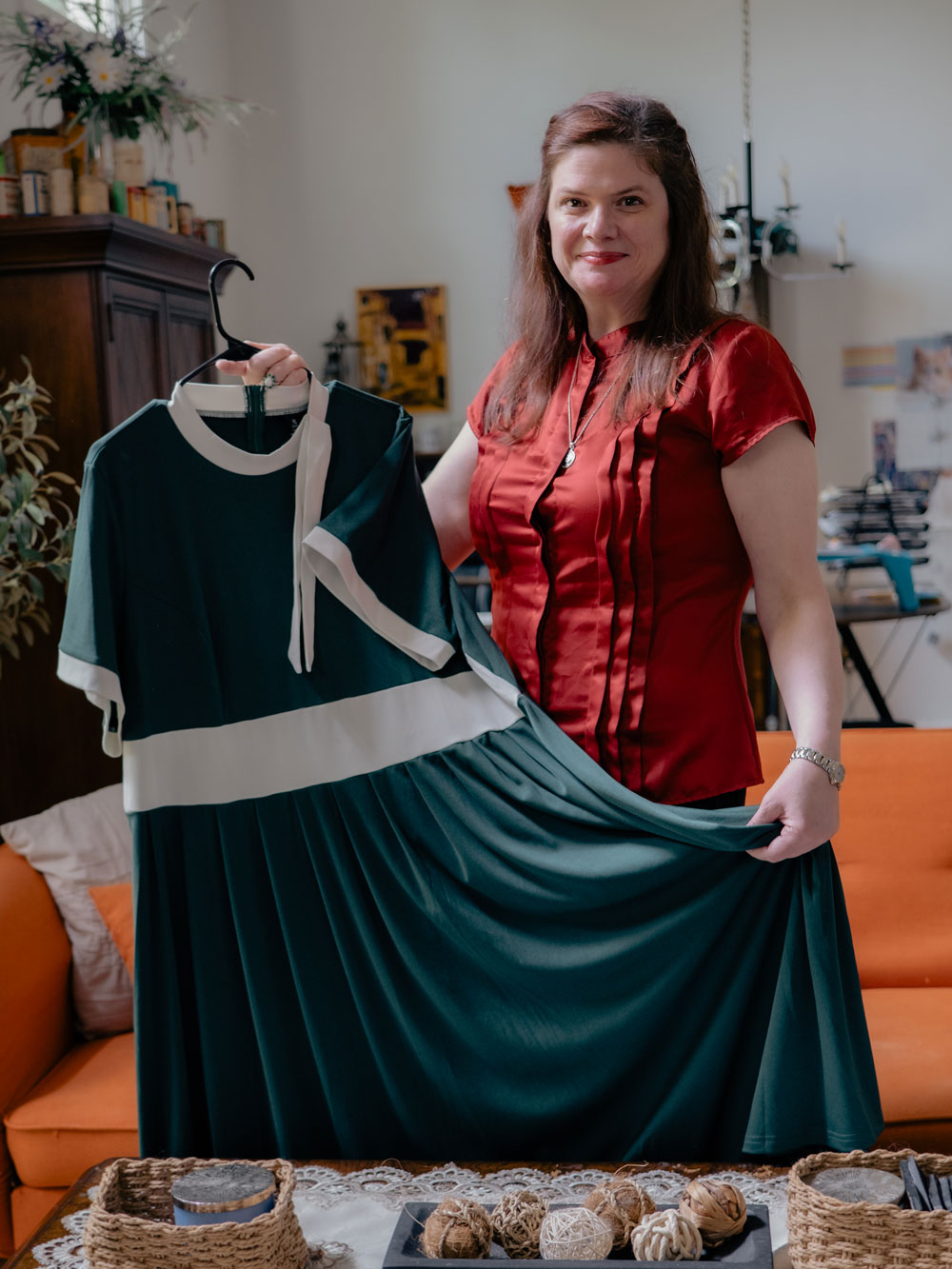
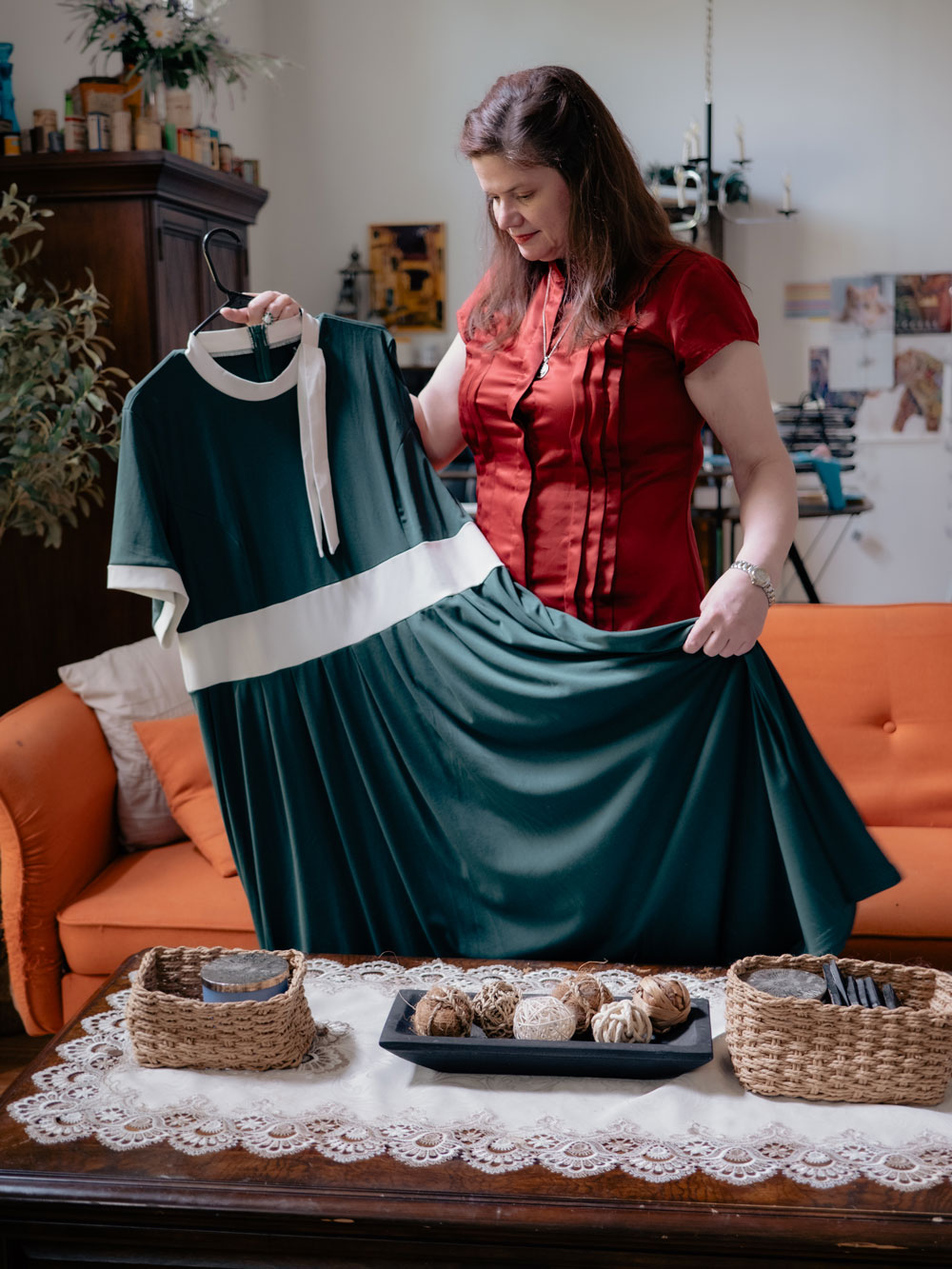
She shops for clothes now, something she used to avoid.
“I love finding things that flatter me and make me feel beautiful,” she said. “That builds my confidence.”
Nicola no longer sees weight as the only sign of progress. She focuses on how she feels and what she can do.
“I gained a couple of pounds recently,” she said. “But I know it’s probably muscle. I give myself grace.”
The best part? She doesn’t need her car to run errands anymore.
“I walk to the park, to the store. I can do that now,” she said. “Before, I wouldn’t even try. Now, I know I can.”