
'I was tired of being tired.'
Key takeaways
• Jeanne Hartman had weight-loss surgery at UK HealthCare in 2023 after years of trying to manage her health on her own.
• She chose UK HealthCare after attending a seminar and says, “This was it. This was the place for me.”
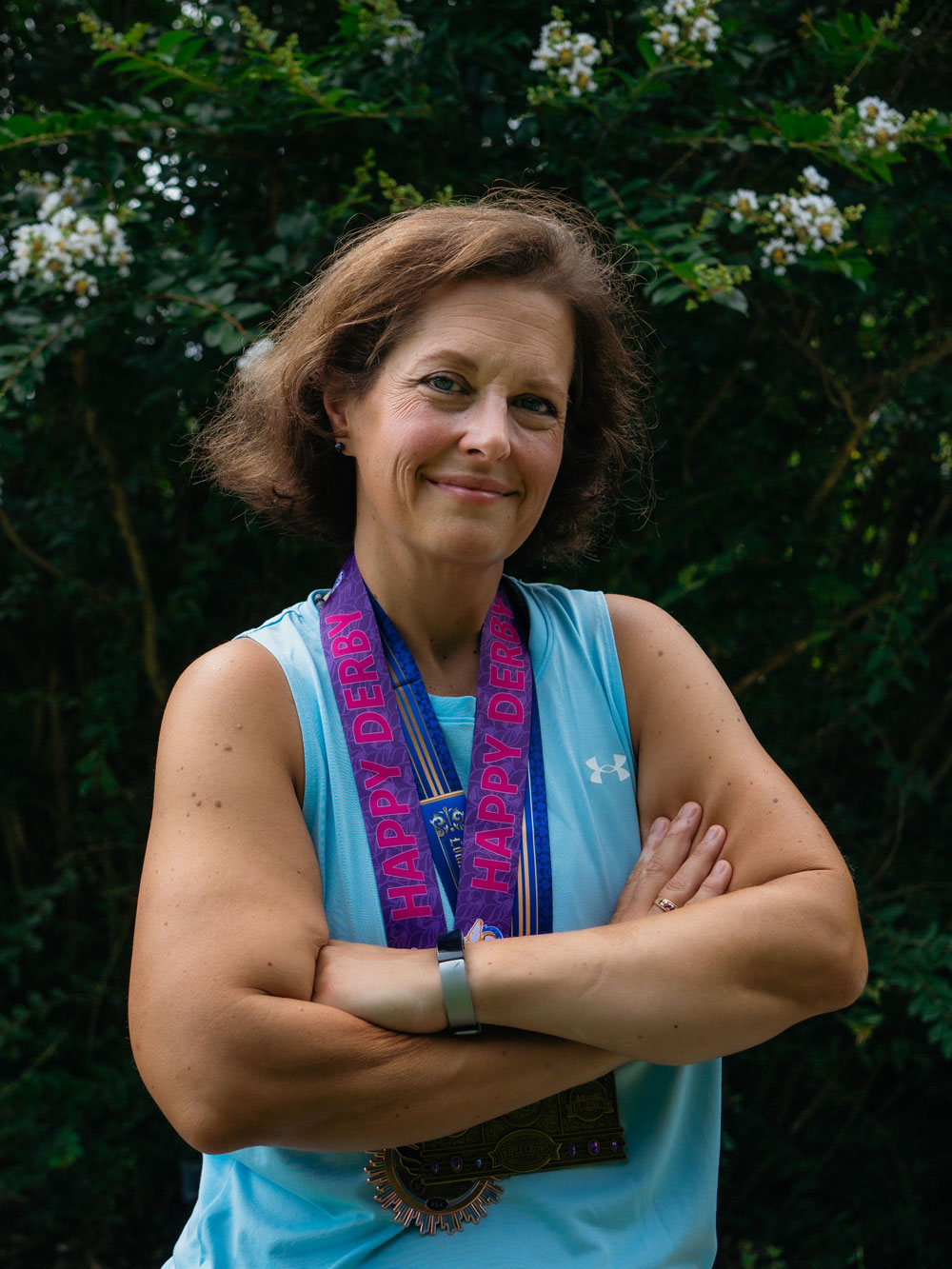
• Within a year and a half, she lost more than 100 pounds, normalized her blood sugar and blood pressure, and ran a half marathon.
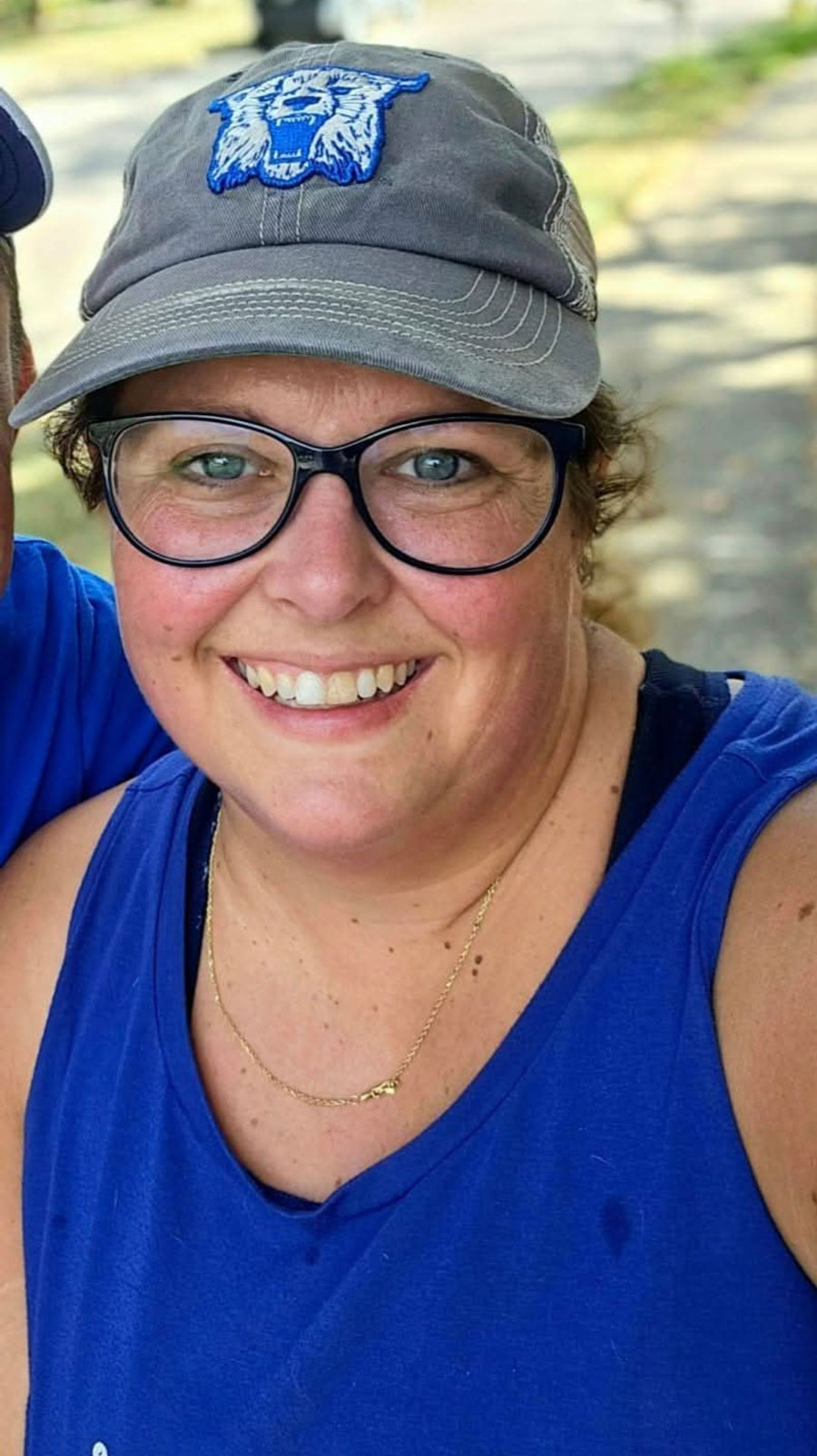
When Jeanne Hartman looks at a photo of herself from late 2022, she barely recognizes the woman in it.
“I saw a picture of myself, and I couldn't believe that I had gotten to that point,” said Hartman, 42, a lab manager in the University of Kentucky’s Department of Plant and Soil Sciences. “It made me realize I needed to make a change.”
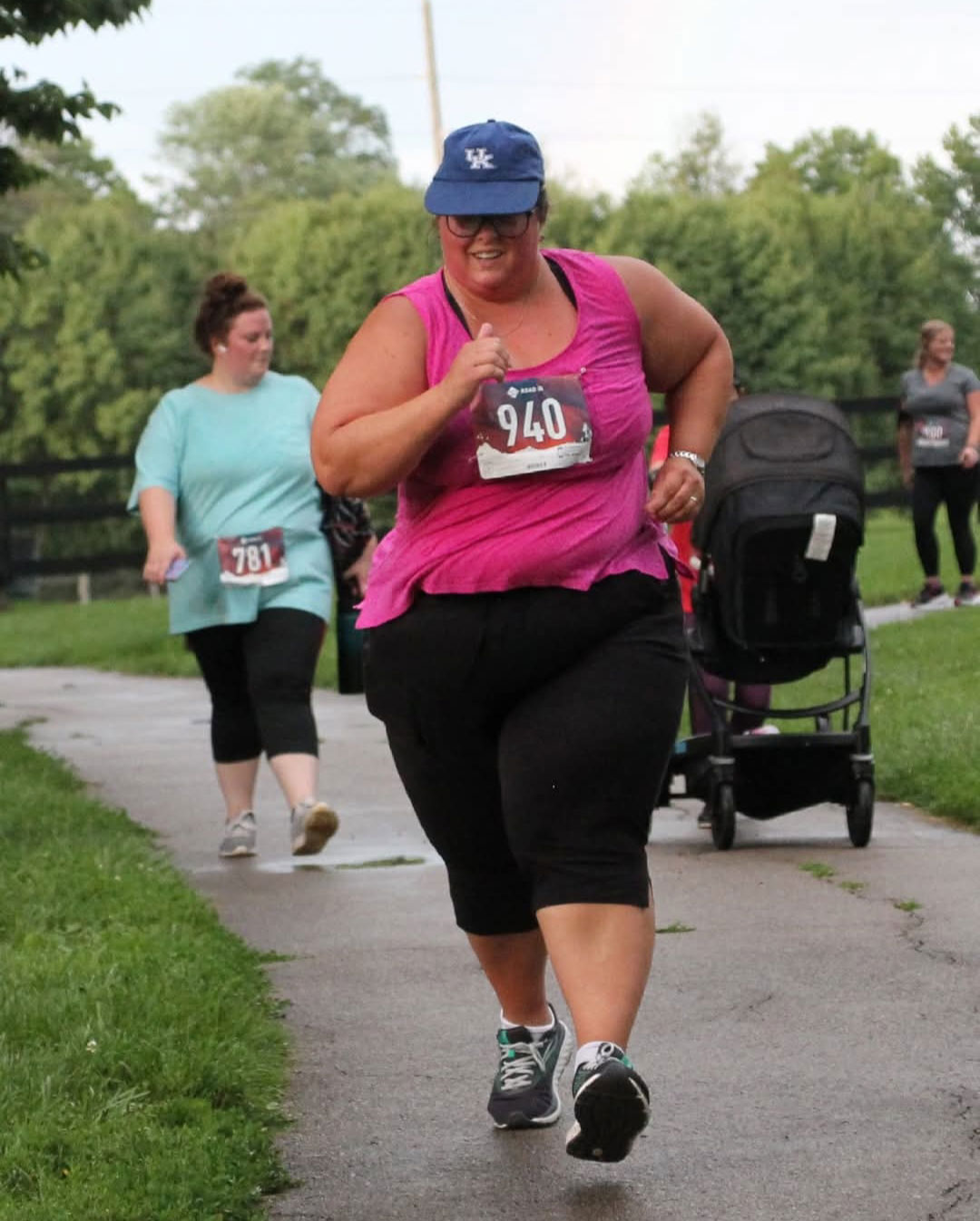
At the time, Hartman weighed more than 300 pounds. Her blood pressure was dangerously high, even on medication.
“I was tired of being tired,” she said.
Hartman had tried to lose weight many times over the years. “I always had good intentions, but nothing stuck,” she said.
She attended a UK HealthCare weight-loss surgery seminar in early 2023.
“It was very honest,” she says. “They didn’t sugarcoat it. They told you the good, the bad, the risks, the benefits. And I just felt it in my gut. This was it. This was the place for me.”
She enrolled in the clinic’s required pre-surgery education program. Hartman took it seriously, working closely with the UK HealthCare team through nutrition classes and behavior preparation.
“That whole team is amazing,” she said. “They care about you. They don’t just hand you a list of instructions and send you on your way. They make sure you understand it.”
From surgery to self-confidence
Hartman in Dec. 2023 had sleeve gastrectomy surgery — commonly called gastric sleeve surgery — at UK HealthCare, which her insurance covered. The procedure reduces the size of the stomach by about 80%, leaving a narrow sleeve. This helps limit how much a person can eat and makes them feel full sooner.
“I had surgery on Friday and felt better by that Monday,” she said.
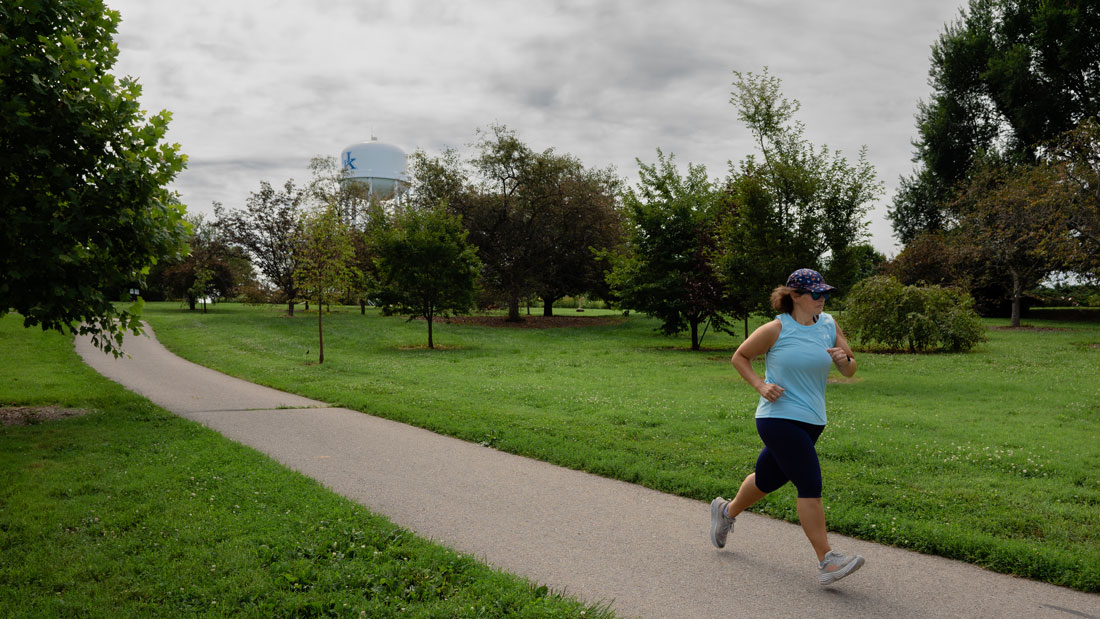
She started walking the track at her local YMCA. By February, she decided to try to start running.
“That is something I had not been able to do in 20-something years,” she said.
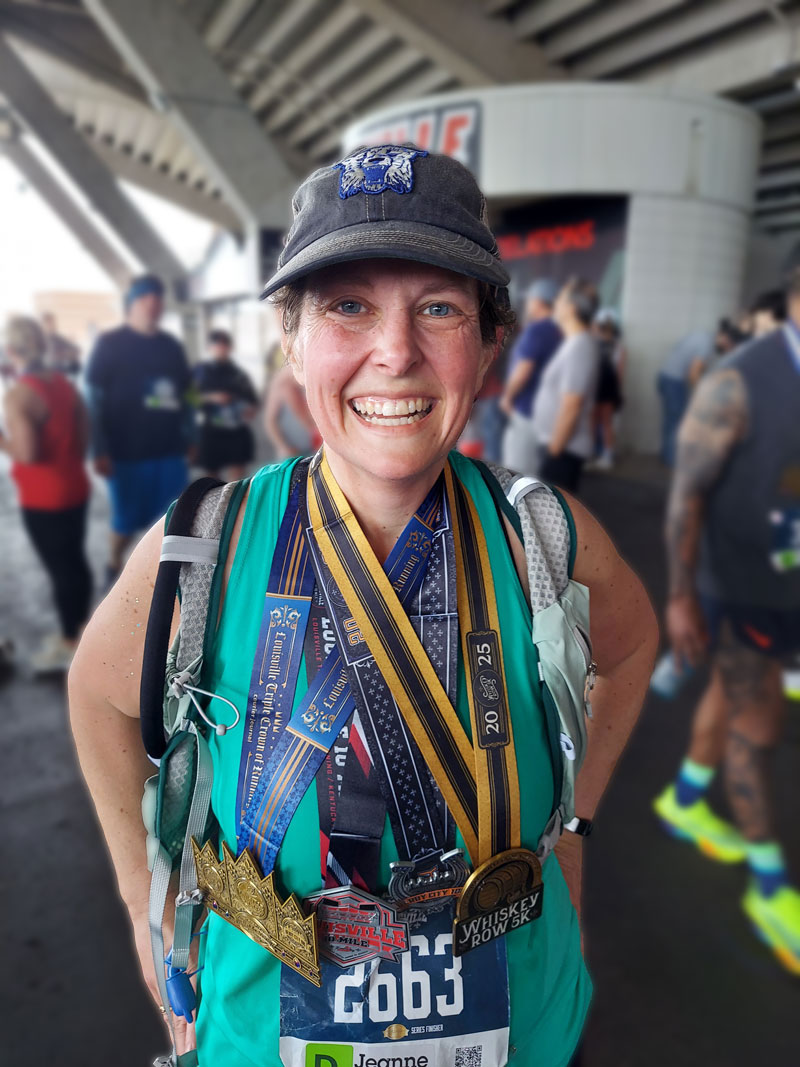
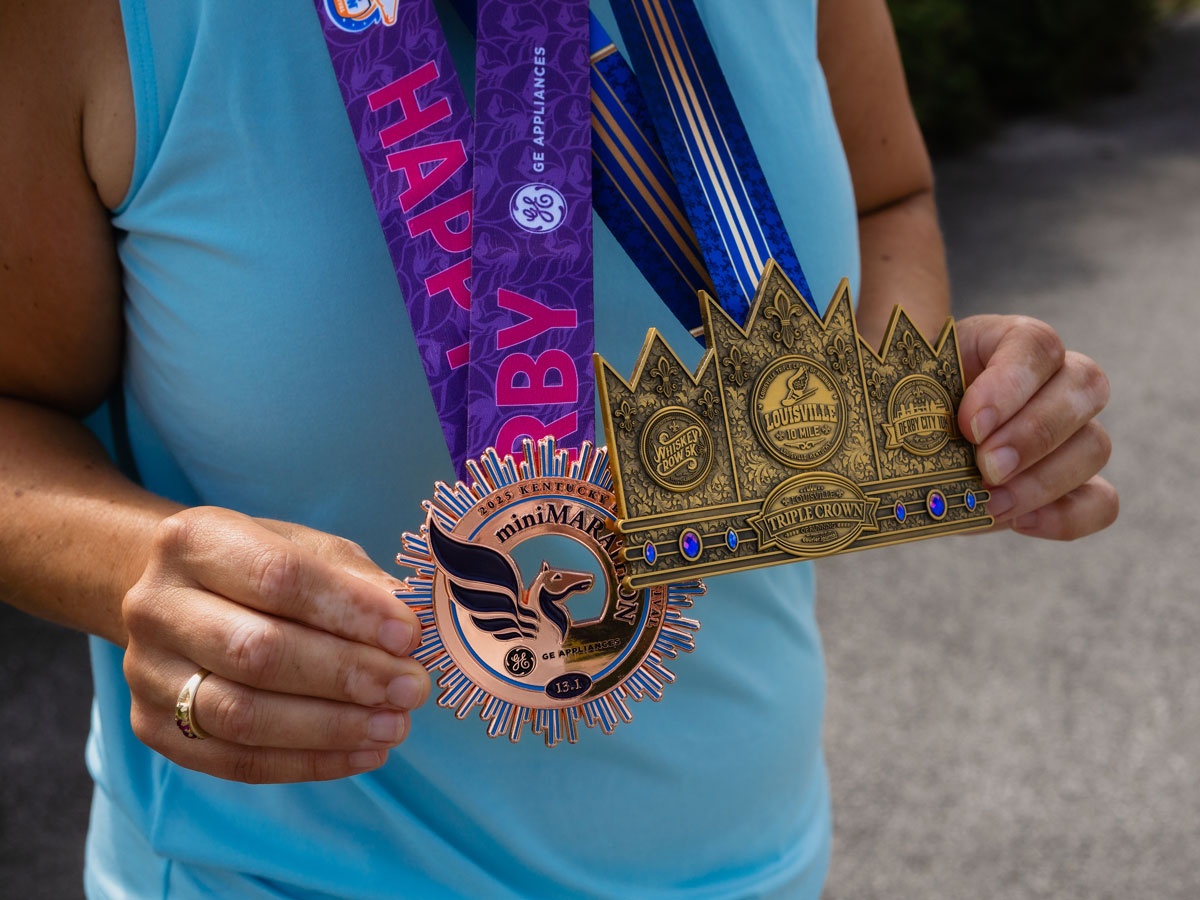
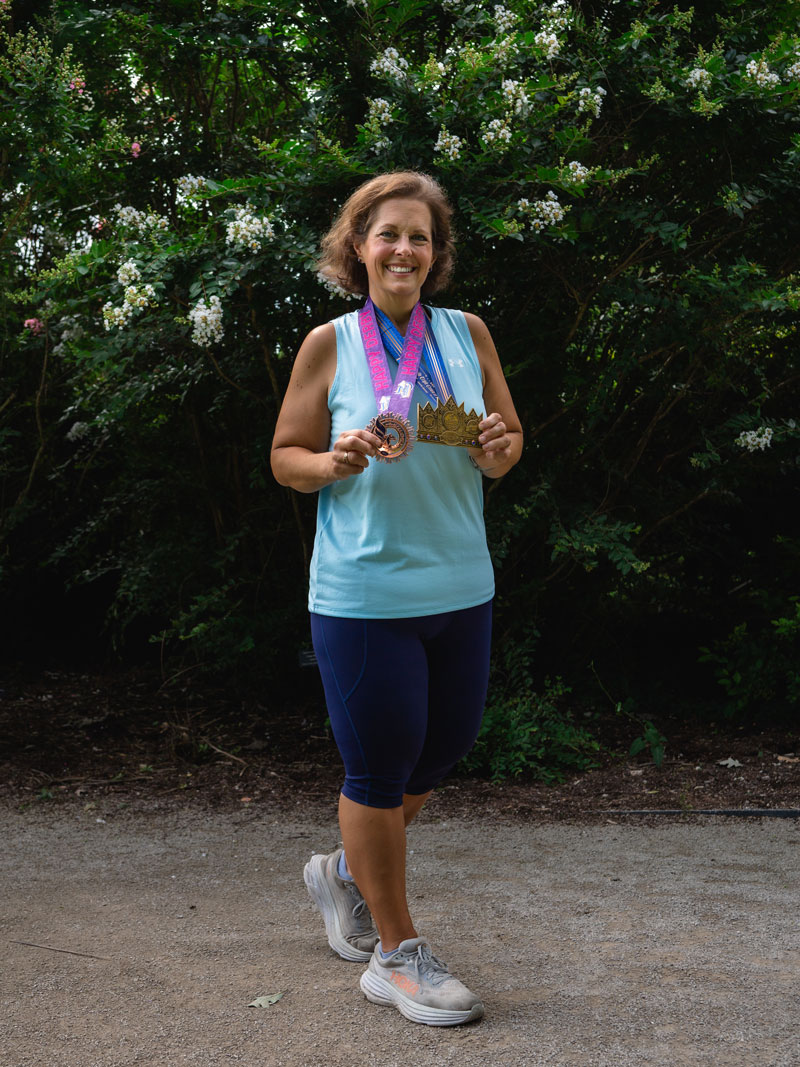
Within a month, she ran her first mile without stopping. Then she moved it up to 2 miles, then 3. Then she signed up for a 10K with her daughter to run 6.2 miles and found a local women’s running club. And in spring 2025, she ran her first half marathon — 13.1 miles.
“I realized I could do this,” she said. “I found my tribe with this group of runners.”
She also overhauled her diet. She reduced her portion sizes. She gave up carbonated drinks. She restricted her caffeine and sugar, and she started eating more protein and vegetables.
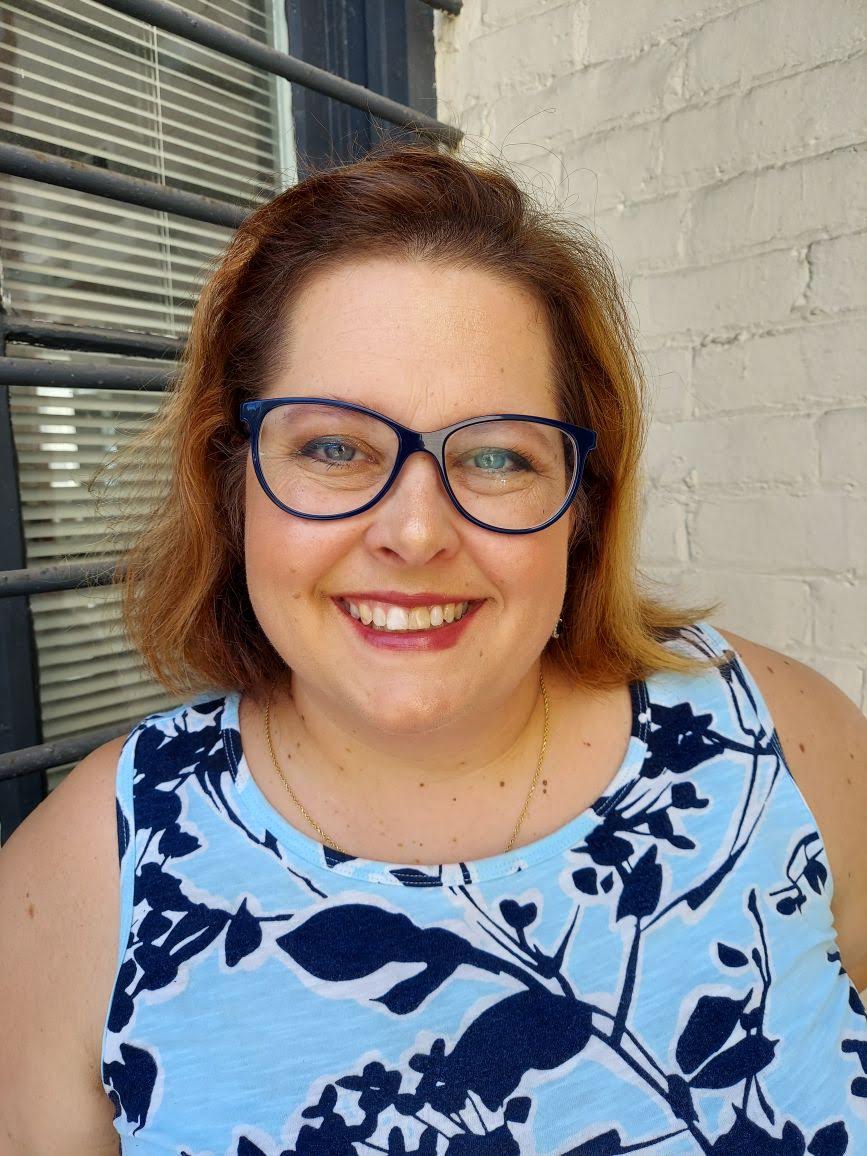
By late spring 2025, she was down to about 180 pounds and focusing more on self-care.
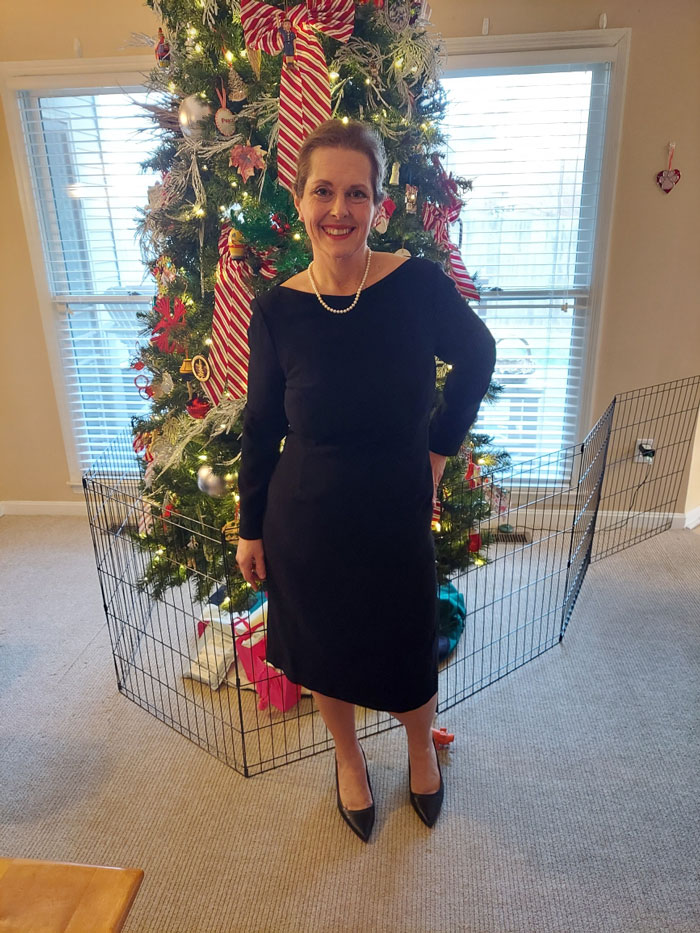
“I have so much more self-confidence,” she said. “I can buy cute clothes. I want to get ready and put on makeup. I don’t want to hide anymore.”
'She just exudes joy'
Mary Beth Keeton, the metabolic and bariatric nurse coordinator at UK HealthCare’s Weight Loss Surgery Clinic, says she remembers how determined Hartman was.
Hartman came in with high blood pressure and early signs of diabetes, Keeton said. “Now her A1C (blood-sugar level) is back to normal. Her blood pressures have been doing great.”
Keeton noticed something beyond the medical stats.
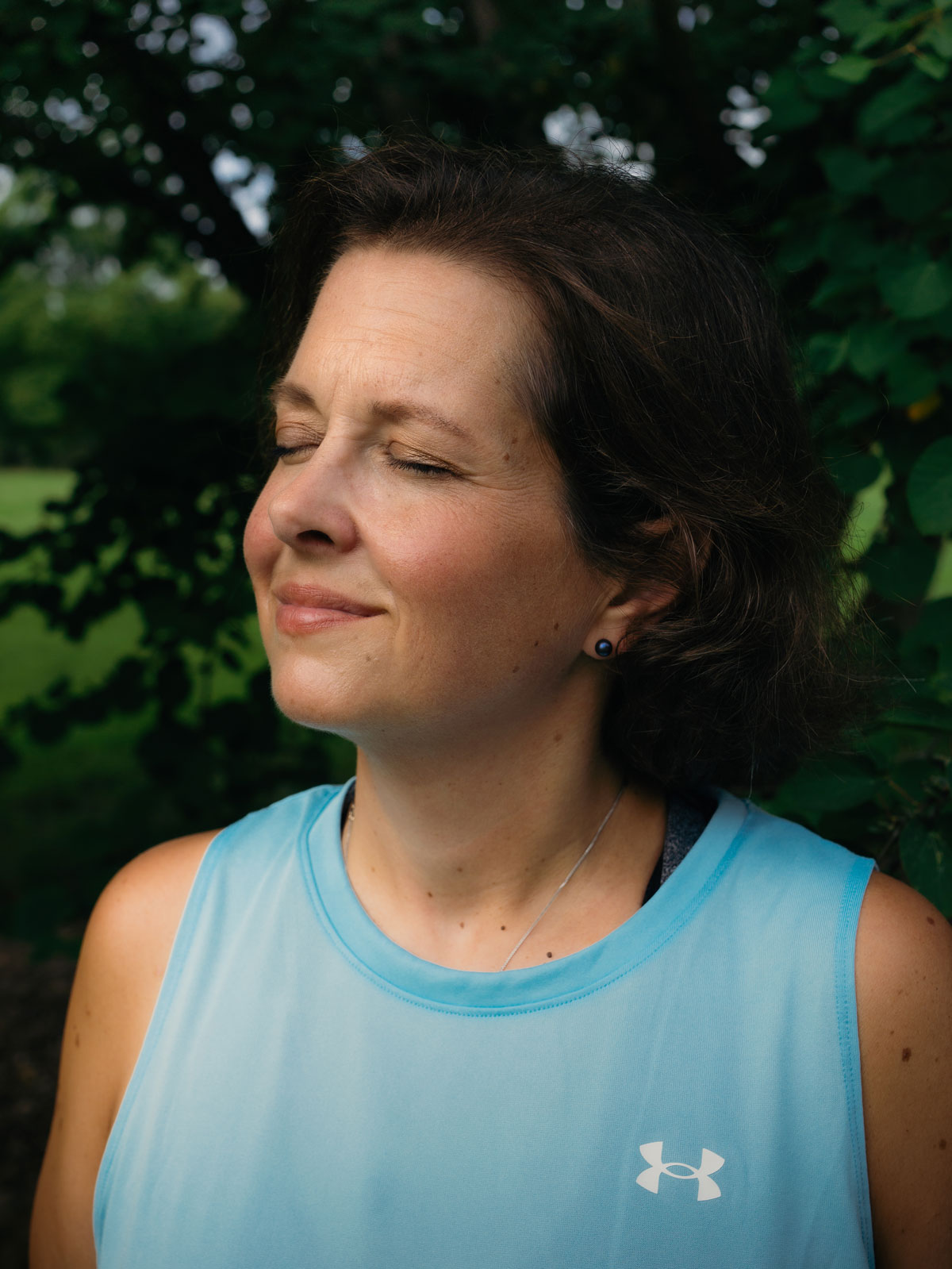
“She just exudes joy anytime she comes in for a visit,” Keeton said. “Not that it may not have been there before, but you can really see it now because she is so happy.”
Running a half marathon isn’t everyone’s goal, and the clinic’s care team understands that.
“We tell people in nutrition class the importance of exercise,” Keeton said. “Some patients are coming to us needing a hip or knee replacement or dealing with extreme back pain. So, we understand that before and after surgery, you may have limitations.”
The key, she said, is building habits and remembering that success isn’t about a number on the scale.
“You can’t use a total weight loss number to define success,” Keeton said. “It’s about how you feel. It’s about energy. About coming off meds. About being able to do things again — and how you feel in your own skin.”
Hartman said the emotional transformation has been just as meaningful.
“I’m not invisible anymore,” she said.
She no longer hides in the background or avoids cameras. She shares her story because she said she knows others feel the same way. She said she wants them to know there are solutions — and that surgery can be one of them.
“Some people say surgery is the easy way out. It is not,” she said. “I had to commit to a complete lifestyle change to meet my goals. The gastric sleeve is an invaluable tool, but to be successful, you have to be willing to understand what led you to weight gain. And you have to make changes to eating, exercise and mental wellbeing to lose the weight and keep it off.”
There are no shortcuts, she said.
“You have to do the work. You have to change your life. But if you’re ready, and you follow the steps, it works.”