UK HealthCast: Advancements in Radiation Oncology at UK Markey Cancer Center

UK HealthCast is a podcast series featuring interviews with UK HealthCare experts on a variety of health-related topics.
When people hear the word “radiation,” it can sound scary. But for many patients at UK Markey Cancer Center, radiation therapy is a powerful, precise and sometimes even curative tool in the fight against cancer.
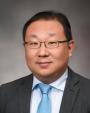
In this episode of UK HealthCast, Dr. Weisi Yan, a radiation oncologist and an associate professor of radiation medicine, explains how far the field has come and what patients should know.
Watch the episode below or continue reading for some key takeaways from Dr. Yan’s conversation.
Dr. Yan’s road to radiation oncology wasn’t exactly straightforward. He originally planned to work in finance, but with four generations of doctors in his family, medicine was practically in his DNA. His career in the early going brought him to Corbin, Ky. He came to UK HealthCare from there when his wife wanted to settle in Lexington — a move he now describes as a “sweet surprise.”
The unique blend of technology, anatomy and problem-solving drew Dr. Yan to radiation oncology. “It’s like painting,” he said. Instead of brushes, acrylics and cavasses, Dr. Yan uses expertise in computers, physics and biology to design the perfect treatment plan for each patient.
What is radiation therapy?
Many people, even those working in healthcare, don’t fully understand what radiation therapy is. Historically, radiation worked by damaging the DNA of rapidly dividing cancer cells. Today, we know it can do much more.
Modern high-dose treatments, such as radiosurgery, can destroy tumors by cutting off their blood supply or triggering signals that cause cancer cells to die. Radiation can even recruit the immune system to help attack cancer, creating exciting possibilities when combined with immunotherapy.
Radiation is especially effective for cancers like early-stage lung cancer, prostate cancer, some gynecologic cancers, and various metastatic tumors.
In some cases, radiation can act as a surgery-like cure but without the need for an operation.
Busting myths about radiation therapy
Radiation therapy often comes with misconceptions fueled by movies and media.
Dr. Yan hears it all — from fears about glowing in the dark to worries about becoming “radioactive” — and wants people to know the facts about radiation therapy:
- You will not become radioactive after external radiation treatments
- You will not glow, mutate, or pass radiation to loved ones
- Side effects, such as fatigue or nausea, are real but manageable, and your care team will work with you to help balance risks and benefits
There can be long-term risks, such as a small chance of developing a second cancer decades later or heart effects for certain chest treatments. But Dr. Yan emphasizes that decisions are always made carefully with patients, and that for many people, radiation offers lifesaving benefits.
The latest innovations in radiation oncology
Radiation oncology continues to evolve rapidly. Dr. Yan highlighted advances in two categories.
- Hardware improvements: New tools like proton therapy, advanced machines and ultra-fast “FLASH” radiation allow doctors to target tumors with greater precision while avoiding healthier tissue. This means fewer side effects and faster, more comfortable treatments for patients.
- Software and biology advancements: Researchers now better understand how radiation interacts with the immune system. At UK Markey Cancer Center, teams are studying how to protect immune cells during treatment and how to combine radiation with immunotherapy for better outcomes. This kind of research is helping push the field forward.
One of the biggest advantages at Markey is the collaborative environment. Specialists from radiation oncology, medical oncology, surgery, pulmonology and other fields meet to discuss cases and design customized treatment plans. Specialized care leads to better outcomes.
The best outcome, of course, is not needing to ever see Dr. Yan for advanced procedures. Early detection is key. Lung cancer screening with low-dose CT scans, for example, can find tumors early — when they’re highly treatable with radiation.
He also urges patients to take everyday steps to reduce risk, including:
- Quitting smoking
- Testing homes for radon
- Improving indoor air quality
- Avoiding long-term exposure to cooking fumes
Radiation oncology today is safer, smarter, and more effective than ever before. With innovative technology and a deeply collaborative approach, UK Markey Cancer Center is helping patients live longer, healthier lives.
“There’s so much room for optimism,” Dr. Yan said.
For more information, visit ukhealthcare.com/markey.