
Small Procedure, Bigger Breaths
For years, Kasey Lominac shaped her days around a rescue inhaler that was supposed to last a month but rarely made it past a week.
After having to request yet another early refill, she recalled asking a pharmacist, "Do you want me to smother to death?" Finally, her doctor wrote a continuous prescription, telling her to “fill it whenever.”
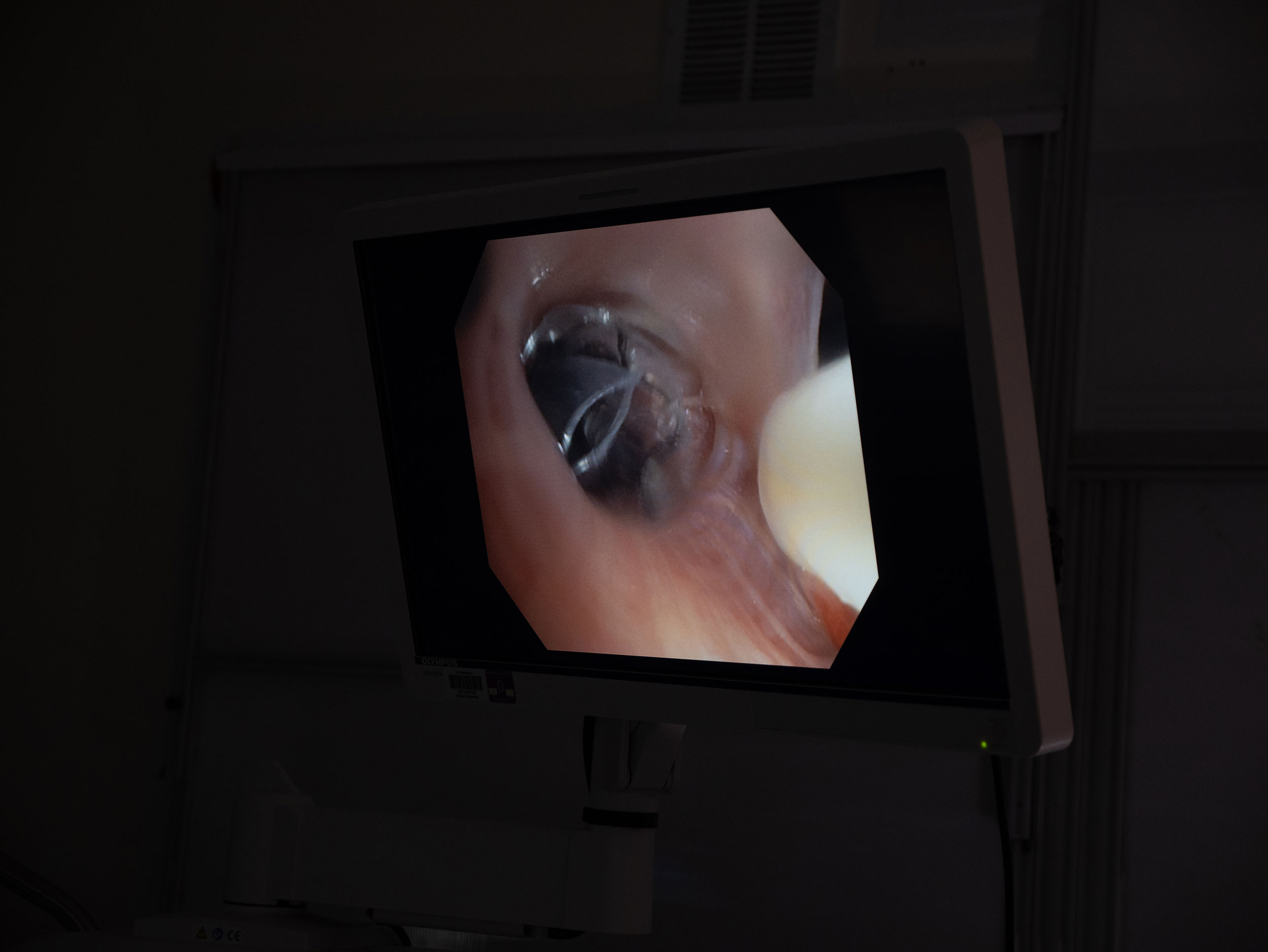
Kasey, who was diagnosed with chronic obstructive pulmonary disease (COPD) in 2021, learned of a minimally invasive procedure where tiny one-way valves are placed into the airways of the lung to improve breathing.
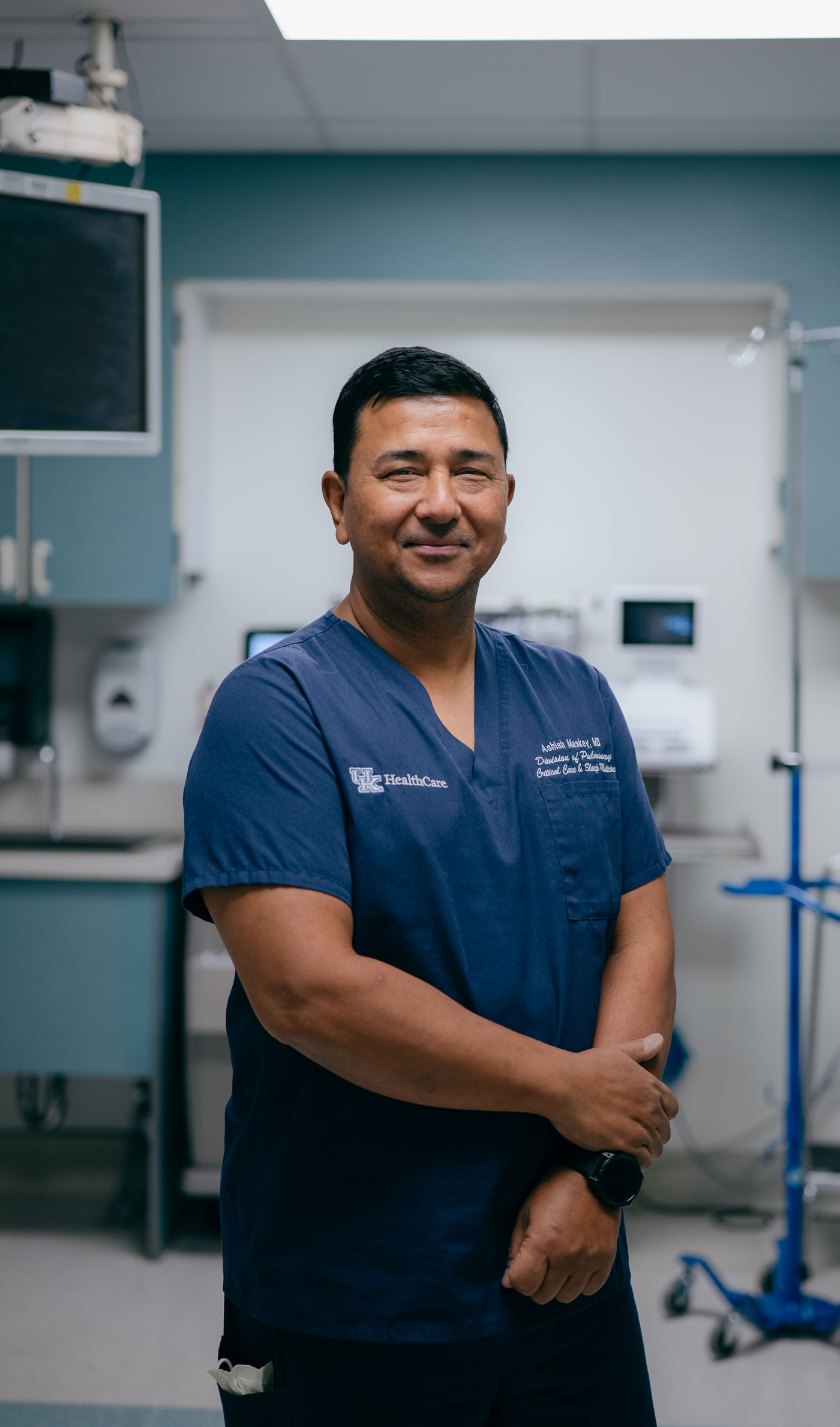
She was a good candidate for the procedure – bronchoscopic lung volume reduction (BLVR) – but when she went in to have it at another hospital, it wasn’t possible. Once she awoke after her scheduled procedure, the medical team told her they couldn’t physically place the valves. For a moment, she assumed she’d hit the end of the road. The hospital referred her to UK HealthCare’s Dr. Ashish Maskey, an interventional pulmonologist, for further consultation.
Kasey asked Dr. Maskey why he thought a second attempt could work. He didn't oversell the procedure but assured her of his expertise and comfort level performing it.
His calm confidence stayed with her, and within weeks of undergoing a second attempt at BLVR in September 2025, Kasey was doing things — things most of us take for granted — that she thought she might never do again.
"I can go to the grocery store‚ I can walk to the mailbox and back now," said Kasey, who was 64 at the time of the procedure. She still uses her inhaler, but “they last me a month now."
How BLVR helps people living with COPD
Kasey’s improvement reflects the life-changing benefits of the procedure that Dr. Maskey hopes more Kentuckians can experience.
In 2025, 11.7% of the state’s population was diagnosed with COPD, a group of diseases that include chronic bronchitis and emphysema.
Many don’t know that procedures like BLVR are available. It’s not a cure – there currently isn’t one – and not everyone with COPD is a candidate. In fact, only about 3 out of 10 qualify. But for those who do, the procedure can lead to a noticeable and often immediate improvement in breathing capacity.
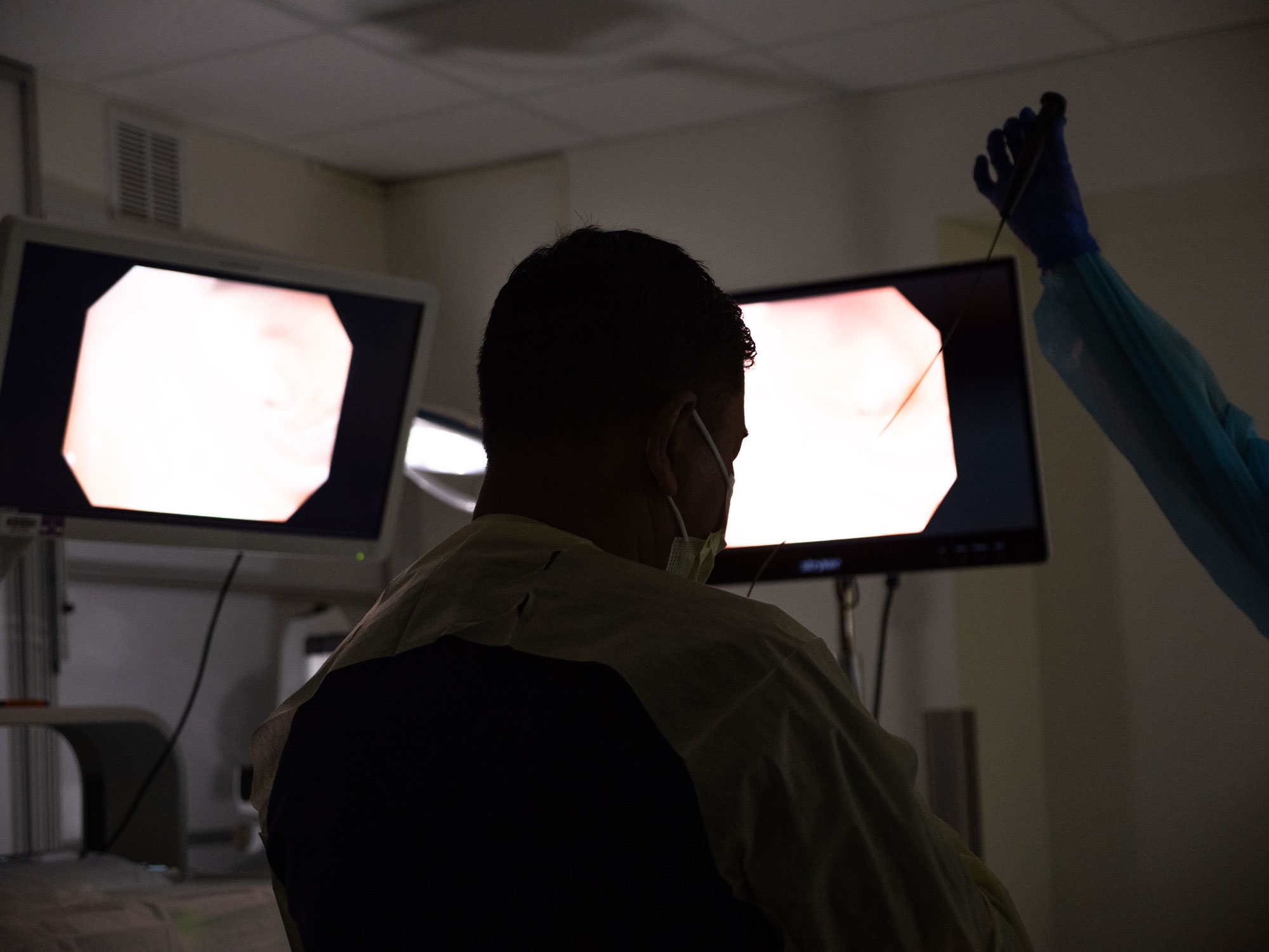
“In COPD, what happens is the lung is much bigger than it should be,” Dr. Maskey said. “When you’re trying to breathe in a full lung, it’s very, very hard. So, if we deflate the lung with a valve, it works much better. …’
“Somebody who is breathing at 25%, if they can get to 40%, it's a game changer.”
Connie Landrum sees the difference in her husband, Everett, 78. He’d stopped walking because he couldn’t move more than a few feet without needing an inhaler.
Doctors at their VA hospital were at a loss, but a doctor there told Connie about the BLVR program at UK HealthCare. After a series of tests, Everett qualified. Four valves were placed in the most diseased part of his lung.
"Even after the surgery, after Everett woke up, you could see there was a difference in his breathing," Connie said. He started feeding their dogs again and tending to their cows at their home in Wellington, Ky. "They gave him a new life.”
His story aligns with what Dr. Maskey sees often in other patients.
"One guy couldn't go to his post box to get his letters‚” Dr. Maskey said. “Now he says, ‘I walk a mile three times a day.' There’s another who couldn’t take a shower, and now she’s playing with her grandkids. That’s incredible.”
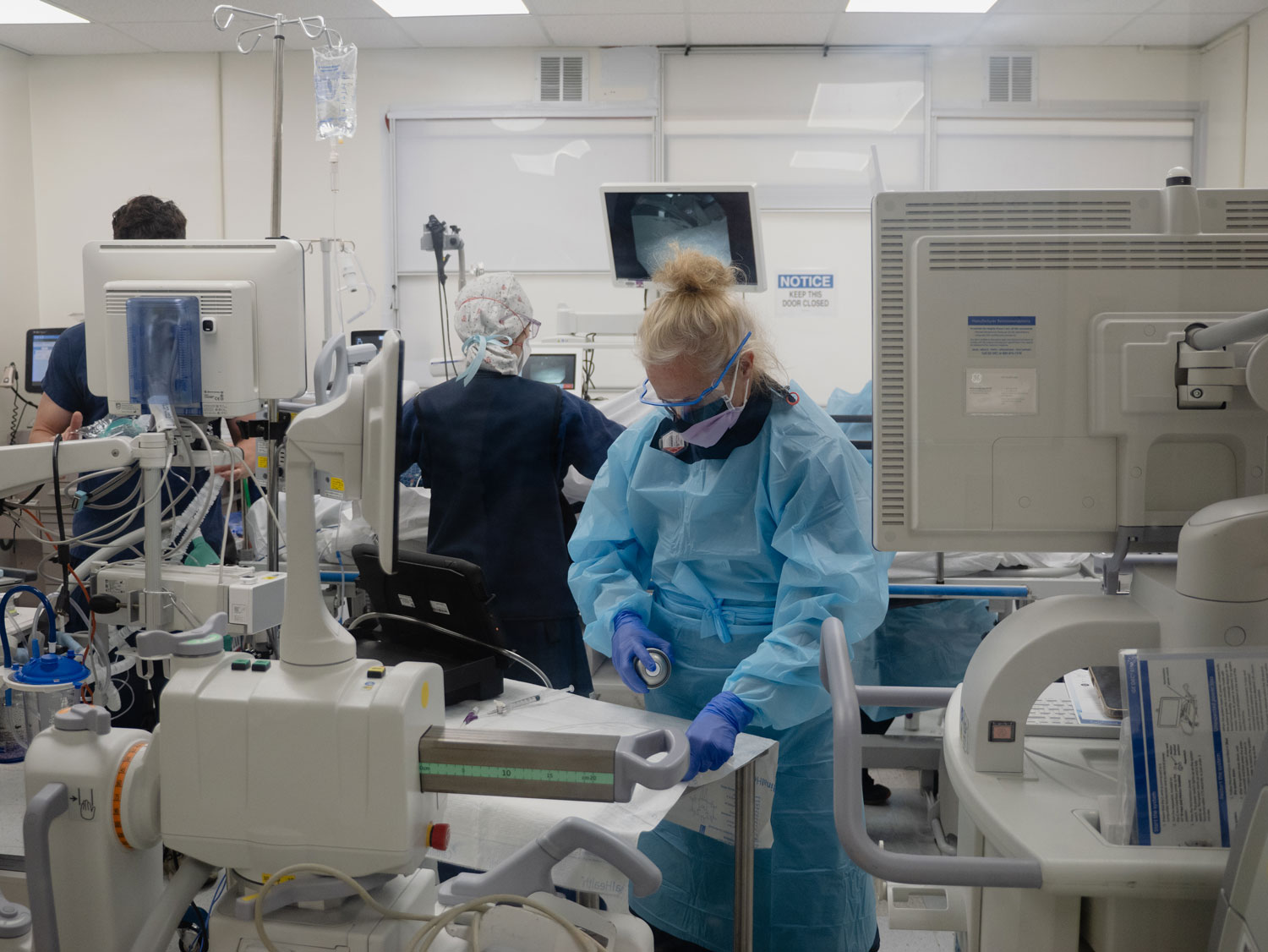
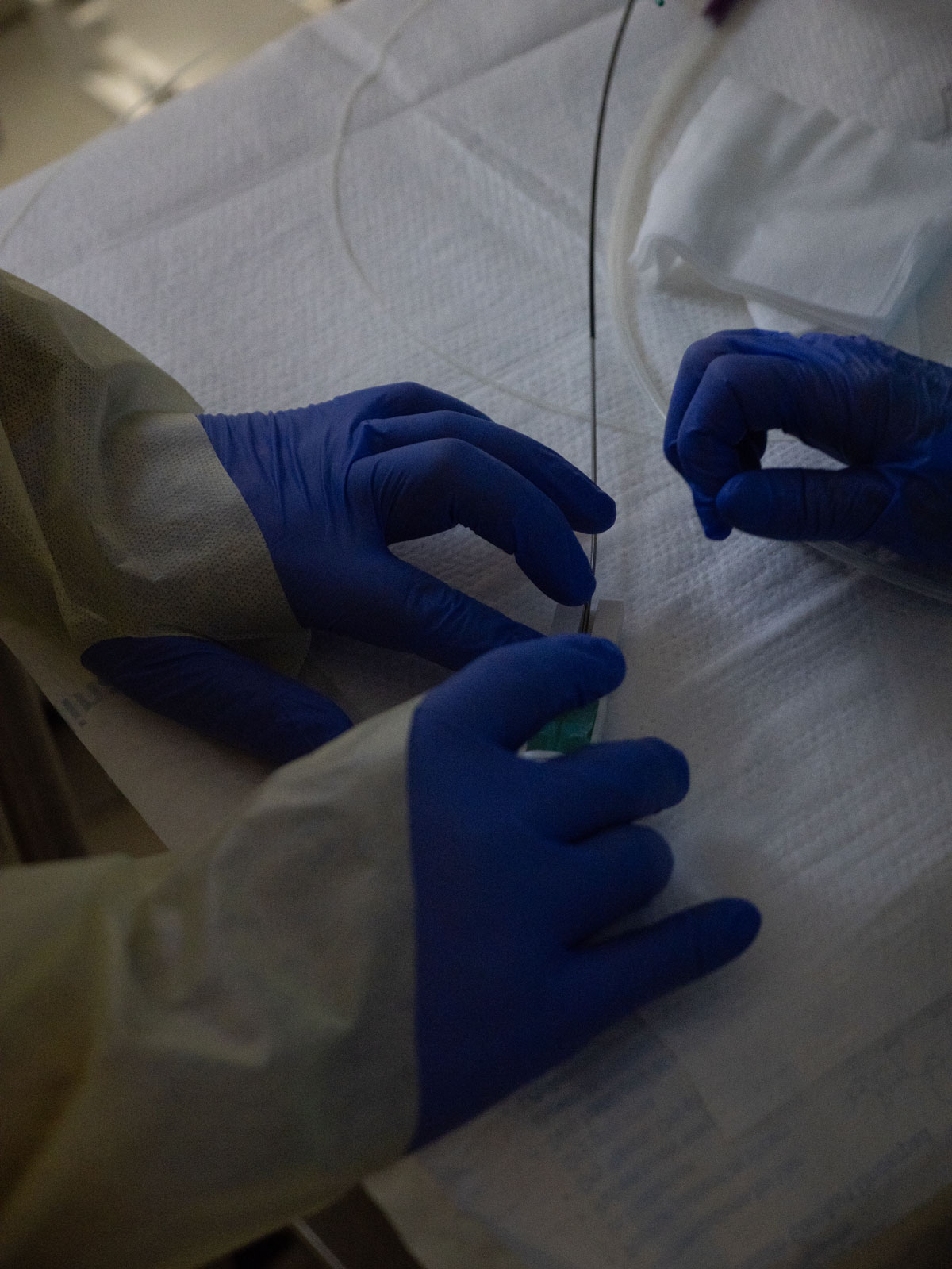

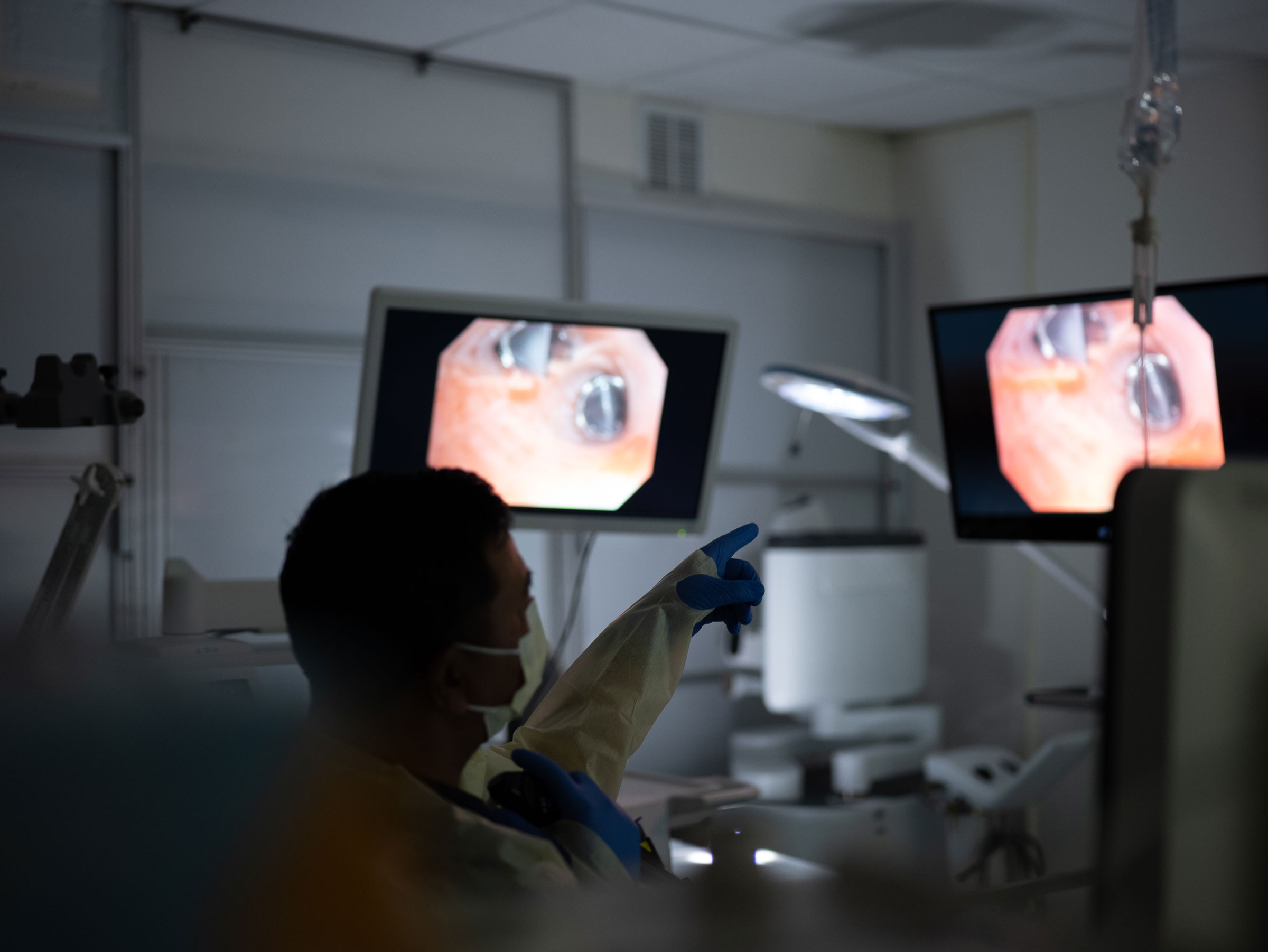
Doctors who seek possibility
Many people with COPD may miss the opportunity to consider BLVR earlier, simply because they haven’t heard about it or have concerns about the valves. "There's a lot of patients who would benefit from what we can offer," Dr. Maskey said. "But either people don't know or people are afraid."
In a state where chronic lung disease is common, timing can matter more than anything.
Robert Bailey, who worked in construction, has lived with emphysema for more than two decades. “Between two packs a day and the drywall dust, it just destroyed my lungs,” said Robert, 52. “When you’re a younger man, you just don’t think of those things. You think you’re indestructible.”
About five years ago, he moved from Michigan to Pike County to be closer to his wife’s family. A lung collapse in 2023 accelerated his decline. By the time Robert connected with UK HealthCare in 2025, the simplest tasks — getting dressed, carrying dishes — left him winded.
Brianna Fischer, an APRN in UK HealthCare’s pulmonary program, was the first provider Robert encountered that he felt took his concerns seriously.
“She went way past what she needed to do to help me,” he said. “If she didn't just sit there and listen to me, this would never have happened. She came to the conclusion that I was way undermedicated, probably for years.”
Fischer got Robert in front of Dr. Maskey, who gave him a potential path to better breathing.
"He says, 'I think this might work.' That’s one thing I like a lot about him. He’s no-nonsense.”
Robert didn't expect perfection after his BLVR procedure, but the results have been transformative.
While he will likely need a lung transplant someday, his response to BLVR treatment could potentially delay that need by up to a decade.
"My daily life is so much better," said Robert, who in April 2026 marked the first anniversary of his procedure. “Going from ‘no chance’ to ‘something,’ that’s huge. I was fully prepared that I was coming to the end of it.”
Getting the word out about BLVR
Right now, people who actively smoke aren’t eligible for valve placement. That’s because studies that showed the procedure was safe and effective did not include smokers.
Dr. Maskey hopes that could change in the future. He believes there may be room to study whether people who smoke very lightly could also benefit.
“We would never try to give valves to people who smoke two packs a day, but if you sneak one here or there, it might be OK,” Dr. Maskey said. “What I’d like to do is get through our internal review board and include them in a trial, put that data out for the rest of the world to see and ask, ‘is the chance of infection really much higher for people who smoke?’
“Because right now we know the valves benefit non-smokers, so what’s to say they won’t benefit people who smoke?”
Dr. Maskey’s willingness to even ask that question speaks to his understanding of reality; Kentuckians remain among the highest users of tobacco in the country.
Kentucky’s incident rate of COPD is about twice the national average. UK HealthCare’s pulmonary program has performed nearly 100 BLVR procedures and holds “gold status” as a high-volume center.
But Dr. Maskey said his team could be helping far more people living with advanced lung disease through the procedure.
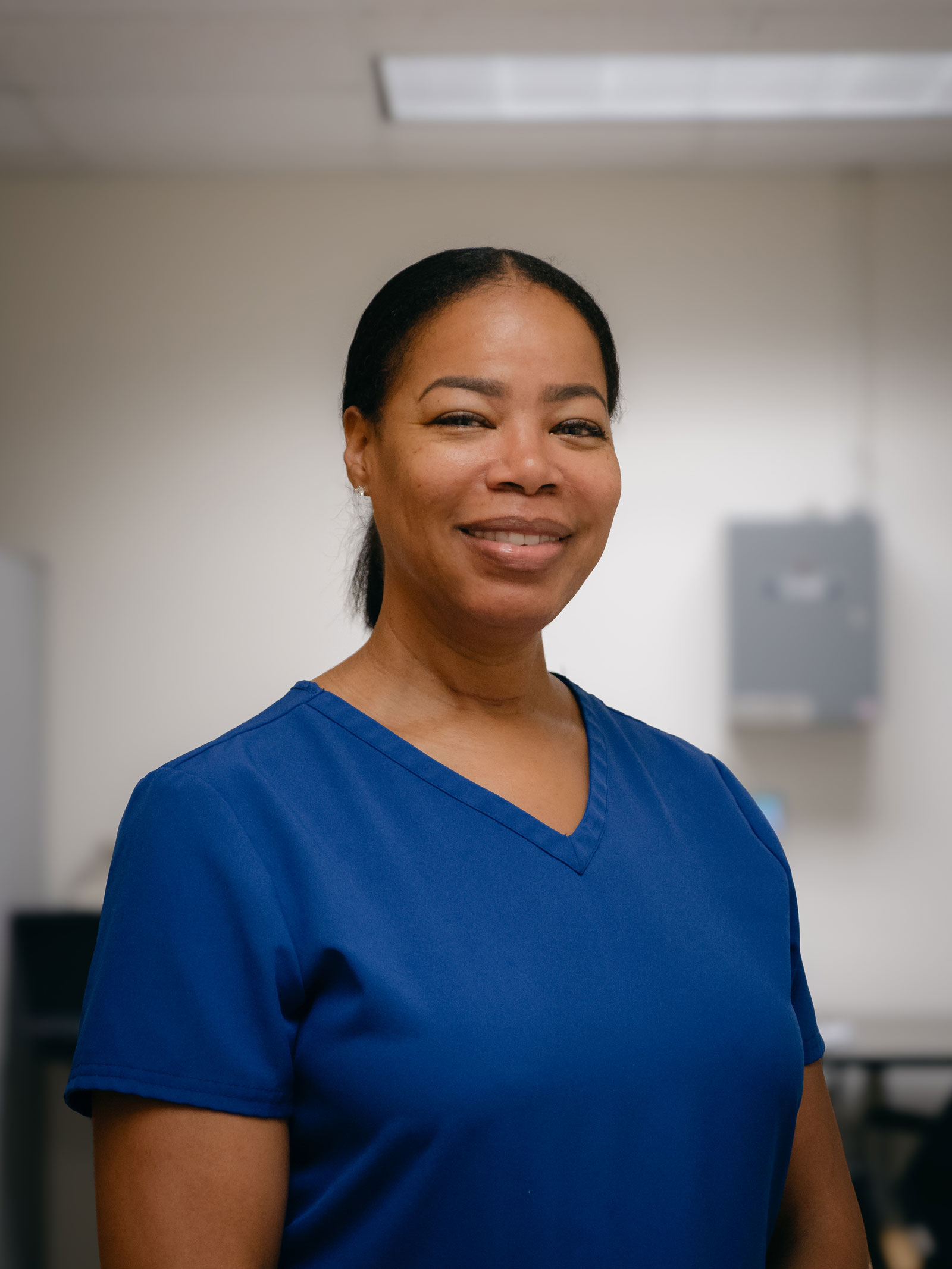
“This procedure needs to be exposed to everybody,” said Jasmine Meads, who joined the program as a dedicated nurse navigator in 2025. Initially, it took about 80 days for a patient to go from initial evaluation to placement of valves. Thanks to repetition and improved processes, spearheaded by Meads and Cheryl Willow Lewis, a procedural scheduler, it now takes about 50 days.
During an initial visit, the care team looks closely at a person’s overall health. If a patient has other medical conditions, like serious heart disease, or issues with the physical integrity of the lungs, they may not be a candidate.
They also must be non-smokers or, if they otherwise pass an evaluation, must stop smoking for six or more months before the procedure.
After valves are placed, patients are closely monitored during a three-day window where-in complications, such as a collapsed lung, are most likely to occur. Once through that phase, they can go home.
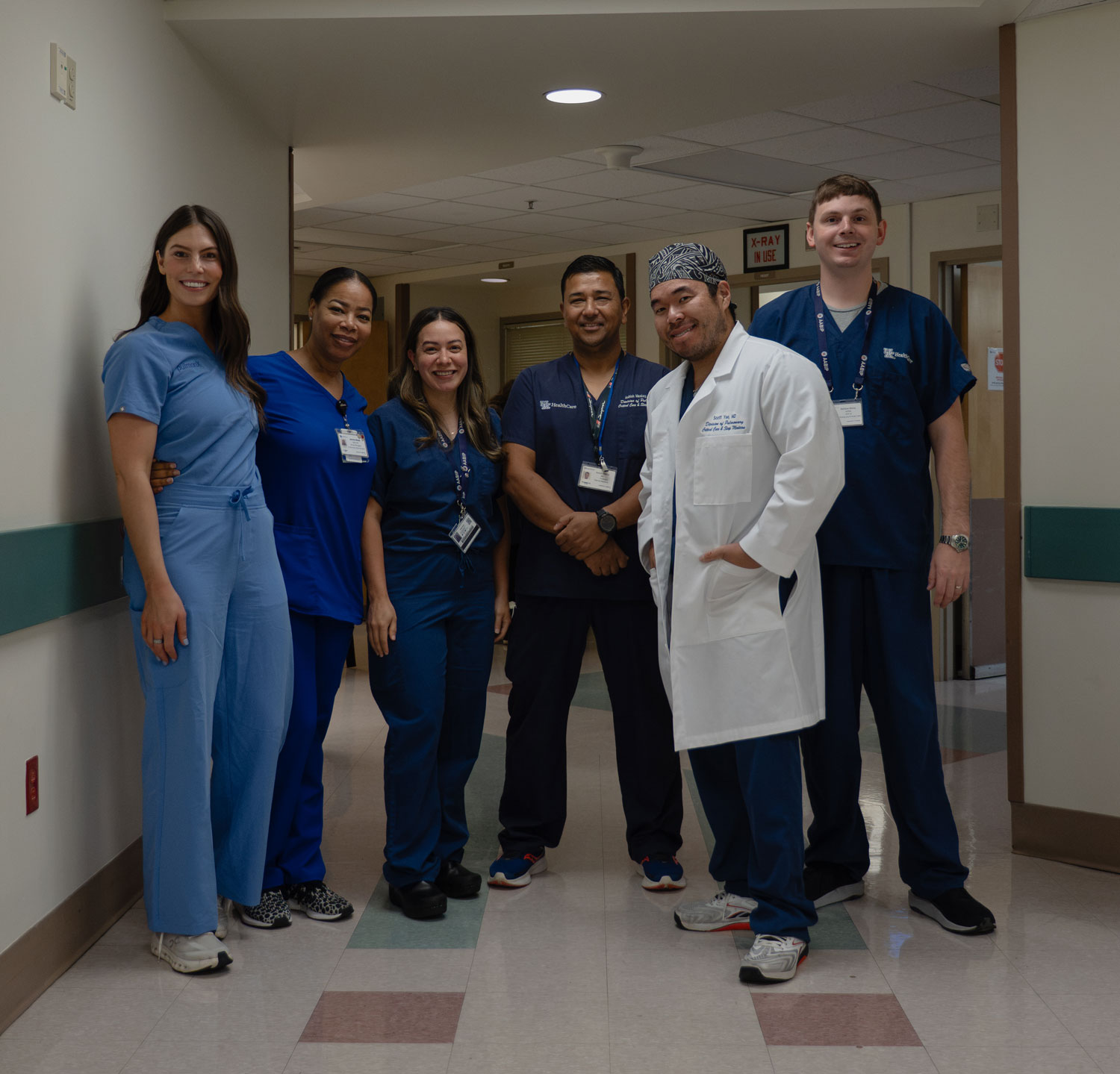
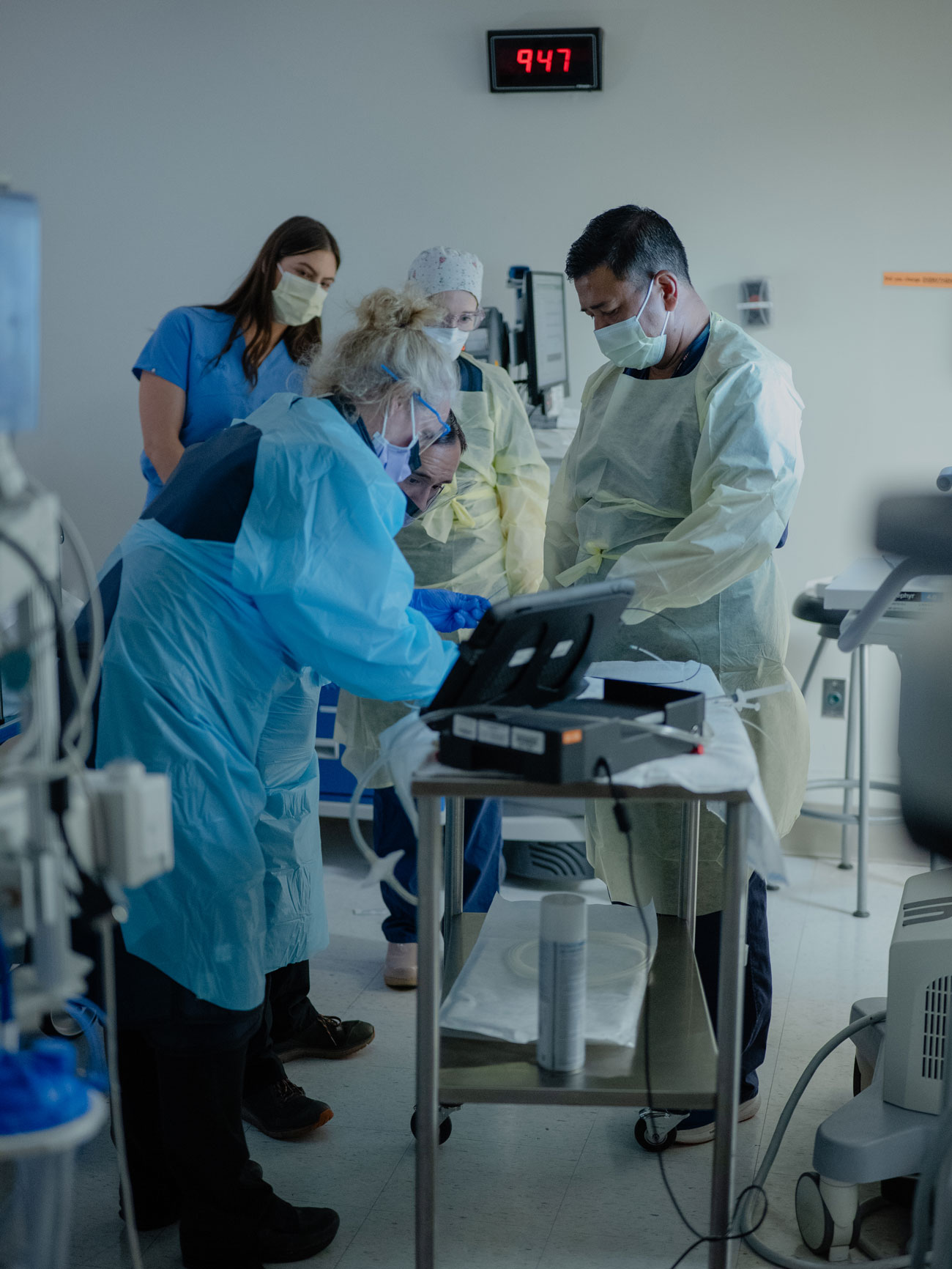
A medical fellow, Dr. Stephen Verga, helped Dr. Maskey and his team launch the valve program about three years ago (Dr. Verga is now at Froedert Hospital in Wisconsin). Dr. Brenda Garcia, Dr. Scott Yee and Matthew McCoy, APRN, are other vital members of the interventional pulmonary team who have helped it flourish. Holly Schaefer, a local representative from Pulmonx, the company that manufactures the valves, is on-hand for most procedures as well to offer additional support.
Dr. Maskey and his team hope to be able to refine processes to the point where most patients have valves implanted within three weeks of their initial evaluation. Still, many who might qualify for valve treatment still make it to that evaluation simply because they don’t even know it’s a potential option.
“I’ve been able to be that point person for the interventional pulmonology team to help patients and their providers understand the referral process,” Meads said. “We want to take care of you. People don’t know that we do this and it’s right here at UK. Our patients’ quality of life is changing miraculously. … We want everybody to have the opportunity to see if they’re a candidate.”
If you or your doctor wants to learn more about bronchoscopic lung volume reduction (BLVR), please call Jasmine Meads at 859-257-2736.