
Neuromodulation
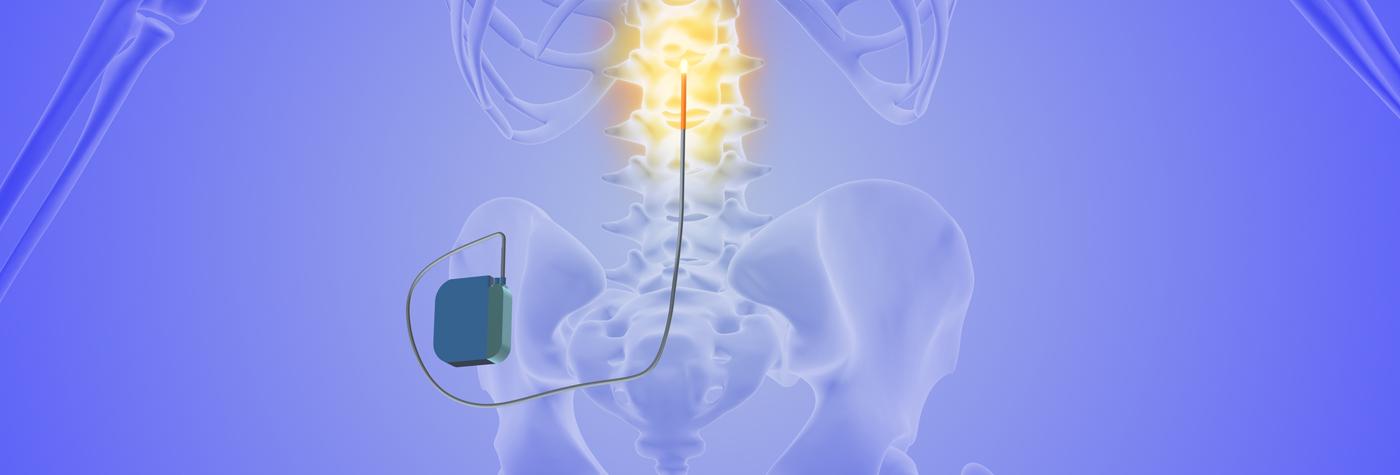
Neuromodulation therapies use implantable electrical devices to change pain signaling within the nervous system. These advanced therapies may help reduce chronic pain, improve function and decrease reliance on long-term medications in appropriately selected patients.
At the UK Interventional Pain Medicine program, we offer comprehensive evaluation and treatment using advanced neuromodulation therapies, including:
- Spinal cord stimulation (SCS)
- Dorsal root ganglion (DRG) stimulation
- Peripheral nerve stimulation (PNS)
- Restorative multifidus stimulation (ReActiv8)
Treatment recommendations are individualized based on your diagnosis, pain pattern, imaging findings, prior treatments and functional goals.
Conditions commonly treated
Neuromodulation therapies may be considered for patients with:
- Chronic back or neck pain
- Failed back surgery syndrome
- Neuropathic pain
- Complex regional pain syndrome (CRPS)
- Post-surgical nerve pain
- Peripheral nerve pain
- Chronic extremity pain
- Persistent pain after joint replacement
- Painful diabetic neuropathy
- Chronic axial low back pain
- Multifidus dysfunction and mechanical low back pain
These therapies are generally considered after conservative treatment options have not provided adequate relief.
Spinal cord stimulation (SCS)
Spinal cord stimulation (SCS) works by delivering mild electrical impulses to the spinal cord to alter pain signaling before it reaches the brain.
SCS may help treat:
- Chronic back pain
- Chronic neck pain
- Failed back surgery syndrome
- Neuropathic pain
- Radicular pain
- Complex regional pain syndrome
The system typically consists of:
- Electrical leads placed near the spinal cord
- An implanted battery or pulse generator
Several waveform and programming options are available depending on your condition and treatment goals.
Dorsal root ganglion (DRG) stimulation
Dorsal root ganglion (DRG) stimulation is a specialized form of neuromodulation designed for local or regional neuropathic pain conditions.
The DRG contains sensory nerve cell bodies that transmit pain information from specific regions of the body.
By placing stimulation leads near the DRG, pain signaling may be altered in targeted regions.
DRG stimulation may be considered for:
- Complex regional pain syndrome (CRPS)
- Post-amputation pain
- Persistent knee pain after joint replacement
- Groin pain and ilioinguinal neuralgia
- Focal neuropathic pain syndromes
Peripheral nerve stimulation (PNS)
Peripheral nerve stimulation (PNS) uses small electrical leads placed near peripheral nerves to change pain signaling in targeted areas of the body.
PNS may be considered for:
- Peripheral nerve pain
- Occipital neuralgia
- Chronic shoulder pain
- Knee pain
- Post-surgical pain
- Focal neuropathic pain conditions
Depending on the condition being treated, peripheral nerve stimulation may involve:
- A temporary trial
- Temporary percutaneous systems
- Long-term implantable systems
The goal of treatment is to reduce pain, improve function and improve quality of life while minimizing disruption to surrounding tissues.
Restorative multifidus stimulation (ReActiv8)
Restorative multifidus stimulation, also known as the ReActiv8 procedure, is a restorative neuromodulation therapy designed for selected patients with chronic mechanical low back pain associated with dysfunction of the multifidus muscles.
The multifidus muscles are important stabilizing muscles of the spine. In some patients with chronic low back pain, these muscles become inhibited or dysfunctional, contributing to ongoing pain and impaired spinal stability.
The ReActiv8 system delivers electrical stimulation to the nerves supplying the multifidus muscles with the goal of restoring muscle activation and improving spinal stability over time.
This therapy may be considered for selected patients with:
- Chronic mechanical low back pain
- Multifidus dysfunction
- Persistent axial low back pain despite conservative treatment
- Limited surgical treatment options
A comprehensive evaluation is necessary to determine candidacy for restorative multifidus stimulation.
Trial phase
Most neuromodulation therapies begin with a trial phase prior to permanent implantation.
During the trial:
- Temporary leads are placed using image guidance
- An external battery is used for stimulation
- Patients evaluate pain relief and functional improvement over several days
If significant improvement is achieved, patients may proceed to permanent implantation.
Permanent implantation
Permanent implantation is performed using minimally invasive surgical techniques.
During the procedure:
- Leads are implanted near the targeted nerves or spinal structures
- A battery or pulse generator is implanted beneath the skin
- The system is programmed and adjusted to optimize therapy
These procedures are usually performed on an outpatient basis, and you will typically return home the same day.Recovery recommendations and activity restrictions vary depending on the procedure performed and individual patient factors.
Evaluation prior to neuromodulation
Prior to neuromodulation procedures, you may undergo:
- Comprehensive medical evaluation
- Imaging review
- Psychological evaluation
- Insurance authorization review
- Trial stimulation when appropriate
Additional testing requirements may vary depending on the specific therapy being considered.
Risks
Risks may include:
- Bleeding
- Infection
- Lead migration
- Device malfunction
- Nerve irritation
- Incomplete pain relief
- Need for future revision procedures
Your physician will review the risks and benefits of therapy during your evaluation.
Advanced neuromodulation care
The UK Interventional Pain Medicine program offers advanced neuromodulation therapies as part of a comprehensive multidisciplinary pain management approach.
Our team works closely with:
- Neurosurgery
- Orthopedic surgery
- Neurology
- Physical Medicine & Rehabilitation
- Psychology
- Physical therapy
- Primary care providers
Treatment plans are individualized based on patient symptoms, anatomy, prior treatments and functional goals.
Educational resources
Educational videos and external resources may help you better understand neuromodulation therapies and chronic pain treatment options.
For brief educational videos, click the links below:
- Spinal cord stimulation for chronic back pain
- Spinal cord stimulation for chronic neck pain
- What is dorsal root ganglion (DRG) therapy?
- DRG: Life-changing technology for chronic pain
- Introduction to DRG stimulation
The links to these videos are for educational purposes only. See disclaimer below.
Video disclaimer
The links to videos on this page are provided for educational purposes only. The content is not intended to replace professional medical advice, diagnosis, or treatment. External educational materials do not necessarily reflect the opinions of UK HealthCare or its providers. Patients should always discuss treatment decisions with their physician or qualified healthcare professional.