
Kyphoplasty and Vertebral Augmentation
Kyphoplasty is a minimally invasive procedure for treating painful fractures of the middle and lower spine.
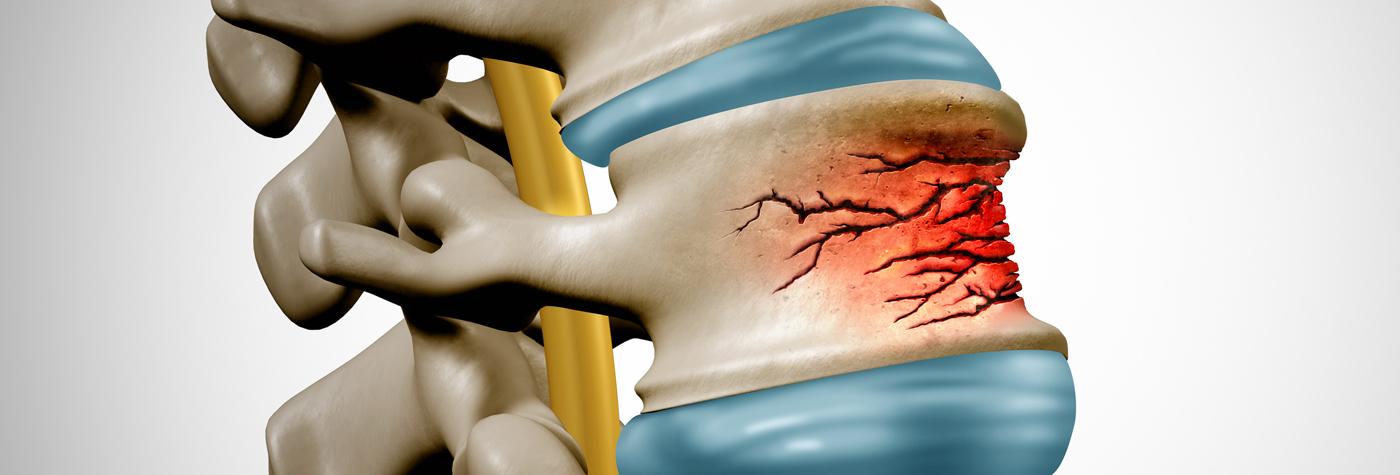
Compression fractures often occur when weakened vertebral bones collapse, most often due to osteoporosis. These fractures can also develop when injury, cancer or other conditions that affect bone strength weaken these bones.
At the University of Kentucky Interventional Pain Medicine program, we use kyphoplasty and vertebral augmentation to treat people who may benefit from these procedures. These treatments can help reduce pain, stabilize fractures and improve daily function.
Vertebral compression fractures
Vertebral compression fractures may cause:
- Sudden severe back pain
- Pain with standing or walking
- Limited mobility
- Loss of height
- Spinal deformity or forward curvature
- Difficulty performing daily activities
These fractures most commonly affect the:
- Thoracic spine
- Lumbar spine
Diagnosis may involve:
- X-rays
- CT imaging
- MRI imaging
- Bone density evaluation
What is kyphoplasty?
Kyphoplasty is a minimally invasive procedure that helps stabilize fractures in the bones of the spine.
During the procedure, our team will:
- Guide specialized instruments into the fractured vertebra using fluoroscopic (X-ray) imaging
- Insert and gently expand a balloon within the vertebral body (the balloon creates a cavity and may help partially restore vertebral height)
- Inject medical-grade bone cement into the vertebral body to stabilize the fracture
Primary goals of treatment are to:
- Reduce pain
- Stabilize fractures
- Improve mobility and function
- Prevent further vertebral collapse
Vertebral augmentation procedures
Your care team will consider the type of fracture, the affected area of the spine and your overall health when suggesting treatment.
We offer several procedures to help stabilize and support fractured bones in the spine.
We recommend treatment based on:
- Fracture age and severity
- Imaging findings
- Bone quality
- Functional limitation
- Overall medical condition
Our team performs a complete evaluation to determine whether conservative treatment or vertebral augmentation is right for you.
Conditions we commonly treat
Kyphoplasty and vertebral augmentation may be an option for:
- Compression fractures caused by osteoporosis
- Painful compression fractures in the middle back
- Painful compression fractures in the lower back
- Fractures that make it difficult to move around or do daily activities
- Some fractures caused by cancer
If severe pain continues despite other treatments, your provider may recommend an evaluation to see if vertebral augmentation is right for you.
Recovery and expectations
These procedures are usually outpatient, with patients going home the same day.
Many patients have improvement in pain and mobility shortly after treatment. Each patient’s response will vary based on their fracture pattern and individual factors.
We tailor recovery and activity guidelines to each patient, based on their condition and the procedure performed.
Risks
Risks are generally low but may include:
- Bleeding
- Infection
- Cement leakage
- Nerve irritation or injury
- Adjacent level fracture
- Allergic reaction
- Incomplete pain relief
Your physician will review the risks and benefits of the procedure during your evaluation.
Osteoporosis and bone health
Because many vertebral compression fractures are related to osteoporosis, it is important to evaluate and treat underlying bone health.
Patients may require:
- Bone density testing
- Osteoporosis treatment
- Vitamin supplementation
- Fall prevention strategies
- Coordination with primary care or endocrinology providers
Addressing underlying bone health may help reduce the risk of future fractures.
Multidisciplinary spine care
The UK Interventional Pain Medicine program provides comprehensive evaluation and treatment for spinal pain conditions using a multidisciplinary approach that may include:
- Medication management
- Physical therapy
- Rehabilitation strategies
- Image-guided spinal procedures
- Minimally invasive spine procedures
- Neuromodulation
- Osteoporosis management collaboration
Your treatment plan will be based on your symptoms, imaging results, past treatments and goals for improving function.
Educational resources
Educational videos and external resources may help patients better understand vertebral compression fractures and kyphoplasty procedures.
These materials are provided for informational purposes only and should not replace consultation with a qualified healthcare professional.
Video disclaimer
The links to videos on this page are provided for educational purposes only. The content is not intended to replace professional medical advice, diagnosis or treatment. External educational materials do not necessarily reflect the opinions of UK HealthCare or its providers. Patients should always discuss treatment decisions with their physician or qualified healthcare professional.