
What you need to know about lung transplantation
A lung transplant can be a life-saving option for people with serious lung disease. But not everyone with breathing problems needs or qualifies for one.
Who qualifies for a lung transplant?
How do doctors decide when a transplant is the right choice? Doctors consider lung disease “end stage” when it is very advanced and a person is not expected to live more than two years without a transplant. This usually means the lungs are no longer working well, even with medicine or oxygen.
Most people are referred for a lung transplant evaluation when they need to use oxygen all the time. Other serious problems, like coughing up blood or having frequent lung infections, might also lead doctors to consider a lung transplant.
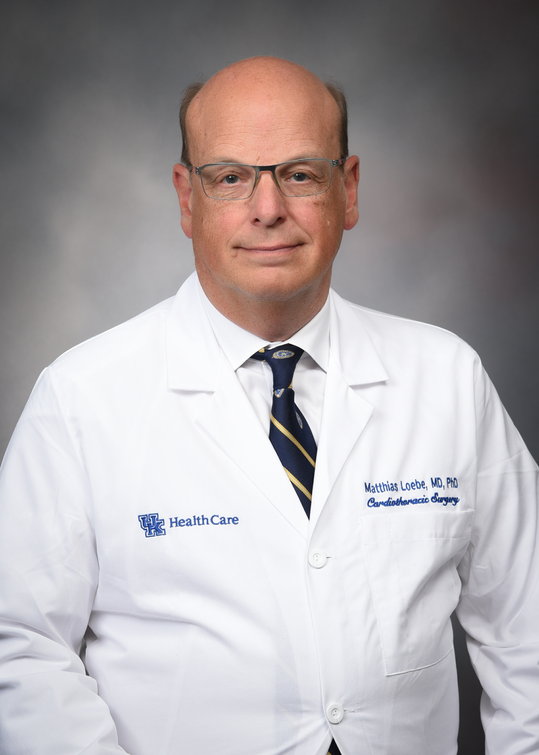
Dr. Matthias Loebe, surgical director of heart and lung transplant at UK HealthCare, explains more about the process.
How a lung transplant is considered
The first step is a meeting with the patient, their family and the transplant team.
If transplant seems like a good option, the patient will go through a series of tests. These include a heart check, breathing tests, CT scans, a walking test and a talk with a social worker to see what kind of support the patient has at home.
These tests help the team decide if the person is healthy and ready enough for surgery and recovery.
To qualify for a lung transplant, a person must:
• Have very serious lung disease
• Be free from other major health problems
• Have strong support from family or friends
• Be motivated and ready to follow care instructions
Many diseases can lead to the need for a transplant. These include COPD, pulmonary fibrosis, cystic fibrosis and pulmonary hypertension. These conditions can all cause lasting damage to the lungs. The disease someone has can affect when a transplant is needed, but the rules for who can get one are similar.
Older adults can still get lung transplants too. Some patients in their late 70s have had successful transplants at UK HealthCare. What matters most is being healthy enough for surgery and having the drive to recover.
If you or someone you love has a serious lung disease, talk to your doctor about whether a lung transplant might be an option. Getting referred early can help you learn more and prepare for what’s next.
Ready to take the next step? Contact our team to find out if you might be a candidate for lung transplant: Call 888-808-3212 or click here.