
UK HealthCast: How pediatric strokes are different from adult strokes
UK HealthCast is a podcast series featuring interviews with UK HealthCare experts on a variety of health-related topics.
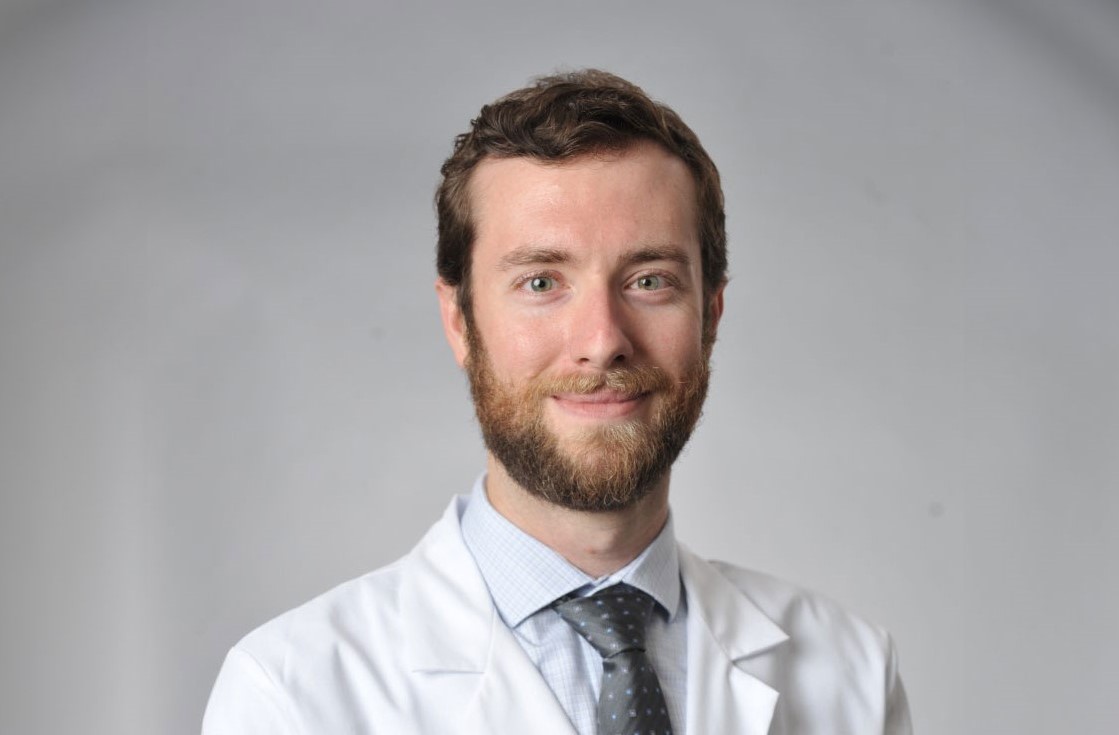
Did you know that strokes can also happen in children, even newborns? Dr. Kevin O’Connor, a vascular neurologist at UK HealthCare, joined UK HealthCast to explain:
- how pediatric strokes are different from those that happen in adults
- stroke risks and symptoms parents should be mindful of
- using the BE FAST method for quickly helping someone who might be experiencing a stroke
- how UK HealthCare’s comprehensive team of multidisciplinary specialists is here to help stroke patients of all ages
Listen to Dr. O'Connor’s conversation below. For key takeaways from that conversation, continue reading.
How common are strokes in children?
Strokes occur rarely in children but remain a very serious condition. About 1 to 3 children per 100,000 have a stroke each year in the U.S. While that number may seem small, it’s big enough to be on the radar for parents.
Strokes can affect kids of all ages, from newborns to teenagers. Doctors group them into two types based on age:
- Perinatal or neonatal strokes: These happen in babies up to 30 days old, often while still in the womb. These strokes typically aren’t discovered until after a baby is born.
- Pediatric strokes: These affect kids from 30 days old up to 18 years. A wider variety of treatment options is typically available for strokes that occur in patients between these ages, some of which are the treatments used in adult patients.
What causes pediatric strokes?
Strokes in children usually happen for different reasons than in adults. While adult strokes are often linked to lifestyle issues like high blood pressure, smoking, or diabetes, strokes in kids are often caused by:
- Congenital heart problems (heart conditions present at birth)
- Sickle cell disease
- Serious infections, such as bad ear or throat infections
- Genetic factors or issues during pregnancy, especially for neonatal strokes
In adults, most strokes are ischemic, meaning they are caused by a blocked blood vessel that isn’t allowing for enough blood flow to the brain. In kids, there’s about a 50/50 split between ischemic stroke and strokes that are hemorrhagic, caused by bleeding in the brain.
Stroke warning signs in children
The symptoms of a stroke can look the same in kids and adults, but children, especially very young ones, may not be able to explain what’s happening. That’s why it’s so important for parents to watch closely.
Use the acronym BE FAST to remember and recognize key stroke signs:
- Balance: Sudden trouble walking or dizziness
- Eyes: Vision problems in one or both eyes
- Face: Drooping or uneven smile
- Arms: Weakness or numbness in the arm or leg, especially on one side
- Speech: Trouble speaking or understanding words
- Time: Call 911 right away – every minute counts
For young kids who can’t describe their symptoms, parents might notice they stop using one side of their body or stop babbling as much. Fast action is critical: the sooner a child gets to the hospital, the better the chances of reducing long-term damage.
“Every minute that the brain doesn’t get enough blood flow, more brain cells may be damaged or lost,” Dr. O’Connor said.
Even if the symptoms turn out to be something less serious, like a migraine or a seizure, getting checked quickly is key to finding the right treatment.
How are pediatric strokes treated?
Doctors try to treat pediatric strokes much like adult strokes when possible. Treatments may include:
- Clot-busting medications (like alteplase or tenecteplase)
- Thrombectomy: a procedure to remove a blood clot
- Supportive care, such as managing symptoms and preventing more strokes
Treatment depends on how quickly the child arrives at the hospital and what type of stroke is happening.
In many cases, children recover from strokes better than adults. That’s because their brains are still growing and developing. This “neuroplasticity” means the brain can sometimes rewire itself and regain lost skills over time.
Still, recovery depends on how big the stroke was, what part of the brain was affected and how quickly treatment began.
Preventing pediatric strokes
We can’t prevent every stroke, but parents can help reduce the risk by:
- Keeping up with medical care for known conditions like heart disease or sickle cell
- Getting infections treated quickly
- Helping children stay generally healthy and active
UK HealthCare’s comprehensive stroke care
At UK HealthCare, kids experiencing a stroke get fast and expert care. Our experts have helped build a statewide system that lets hospitals across Kentucky reach out for help identifying and treating possible strokes in children.
Once at UK Albert B. Chandler Hospital, a full team of specialists — including neurologists, neurosurgeons, and pediatricians — works together to create a personalized care plan for each child.