
UK HealthCast: Epilepsy in older people
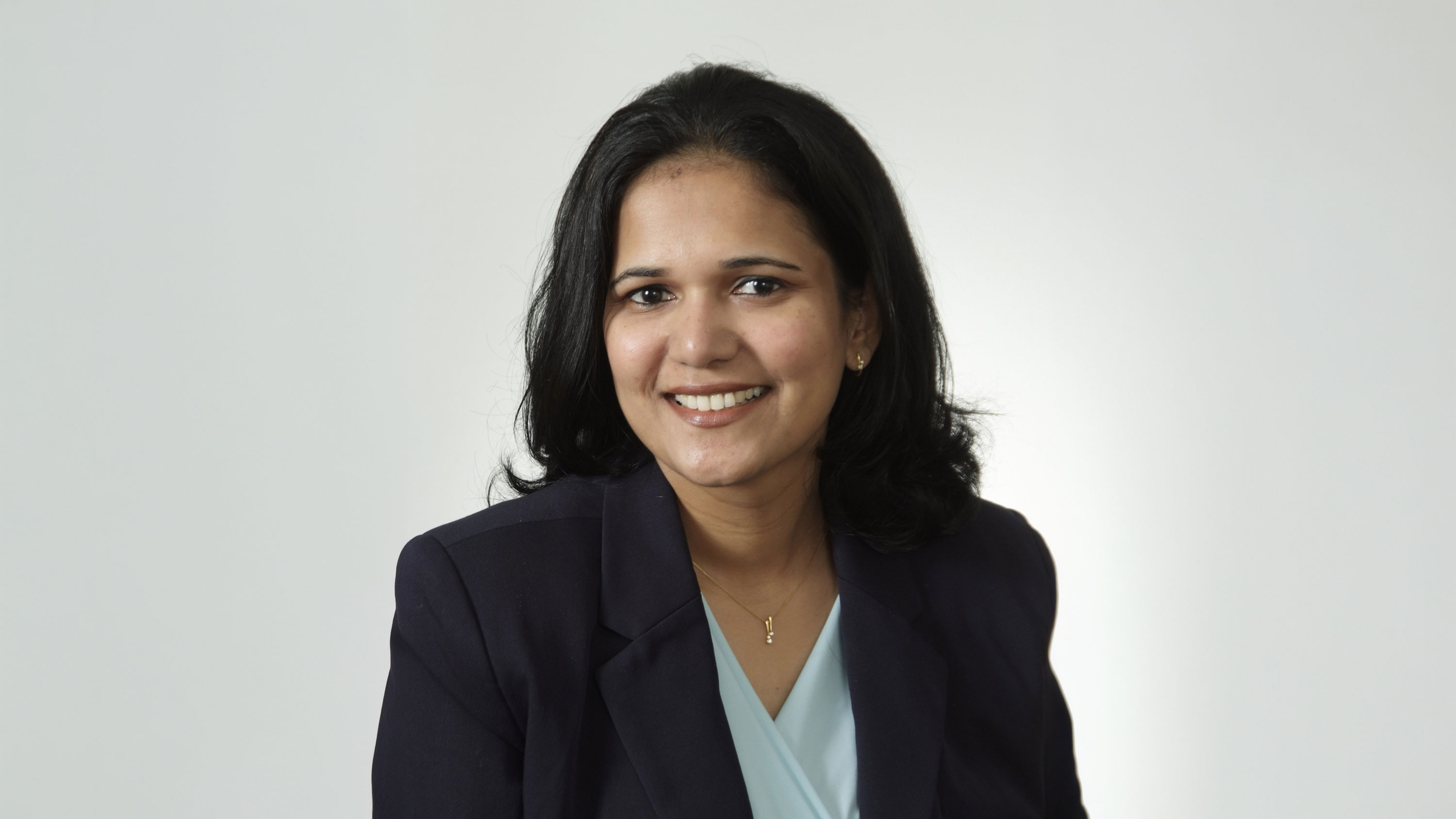
UK HealthCast is a podcast series featuring interviews with UK HealthCare experts on a variety of health-related topics.
Epilepsy is often associated with children or younger adults, but that picture is incomplete. In this episode of UK HealthCast, neurologist and epileptologist Dr. Sally Mathias explains that seizures are both common and frequently overlooked in older adults, especially after age 65.
Listen to Dr. Mathias’ conversation below. For key takeaways from the podcast, continue reading.
How epilepsy looks different in older adults
For years, epilepsy was not widely recognized as an issue in aging populations. That has changed.
“After age 65, about one in 1000 people each year are diagnosed with new onset epilepsy,” Dr. Mathias said. And that number increases further with age. Just as important, many more older adults are already living with epilepsy, often without clear recognition or diagnosis.
One of the biggest challenges is that seizures don’t always look the way people expect. The dramatic, full-body convulsions many associate with seizures are uncommon in older patients. Instead, symptoms tend to be subtle.
“Most elderly patients present with subtle confusion, memory lapses, sort of reduced or impaired awareness,” Dr. Mathias said. These symptoms are easy to dismiss or misattribute; in many cases, they are mistaken for normal aging or early dementia.
That overlap leads to a key issue: under recognition. Even recovery after a seizure can look different. While younger patients often bounce back quickly, older adults may take hours or days. Prolonged confusion may be written off as something else entirely.
The lack of clear warning signs makes diagnosis challenging, too. Younger patients sometimes experience a predictable “aura” before a seizure, but that warning is often absent in older adults. Without those signals, and often without someone present to witness an episode. seizures can go undetected.
Risk factors and consequences
Several underlying conditions increase seizure risk in geriatric patients.
Stroke is the leading cause, with particularly high risk for seizures in the first year after a stroke event. Dementia, especially in early-onset Alzheimer’s disease, carryies a significantly increased risk of seizures. Other contributing factors include traumatic brain injury, brain tumors and vascular conditions like high blood pressure.
Despite how common these risk factors are, epilepsy is still not always top of mind for providers or families. Dr. Mathias points to differences in presentation, limited eyewitness accounts and even diagnostic challenges. Standard tests like EEGs are often less conclusive in older adults, which can make diagnosis harder.
The consequences of missing a diagnosis can be serious. Older adults are already more vulnerable due to other medical conditions and untreated seizures add further risk. Seizures can lead to physical injuries and falls along with worsening memory and cognitive decline.
There is also a higher risk of death, particularly in cases of severe or prolonged seizures.
Effective treatment that’s often simple
Epilepsy in older adults is highly treatable once it is identified. Management begins with awareness and keeping seizures in mind as a possible cause of unexplained symptoms.
Once diagnosed, treatment typically involves anti-seizure medications. Many newer options are well tolerated and effective in older patients.
“Studies have shown that over 80% of our elderly patients become very well-controlled with one single medication at a modest dose,” Dr. Mathias said.
In cases where medication alone isn’t effective, additional therapies, including surgery, may be considered. While less commonly used, these options are available and can provide meaningful benefit when needed.
A more coordinated approach to care
Patients at UK HealthCare have access to a Level 4 Epilepsy Center, the highest designation available. This means care goes beyond a single provider and includes a full team — neurologists, neuropsychologists, neuroradiologists and neurosurgeons — working together.
That team-based approach helps improve diagnostic accuracy and ensures patients receive more personalized treatment. It also allows for faster evaluation and access to advanced therapies when necessary.
Dr. Mathias emphasizes that awareness remains the most important first step.
“Seizures are very common as age advances and the elderly are the fastest growing segment of our epilepsy population,” Dr. Mathias said. “That itself is eye-opening. …
“Seizures can happen. They do happen. There are risk factors, they're preventable. And seizures in the elderly can be easily controlled with a single medication. So my suggestion would be do not delay care.”