The search for a seizure's origin
The search for a seizure’s origin
The precise onset and evolution of a seizure is often elusive, yet if it can be pinpointed, it will typically lead physicians to solutions that will greatly improve quality of life for patients. Precisely identifying a seizure’s origin is the subject of ongoing research by Dr. Farhan Mirza, assistant professor in the Department of Neurosurgery and director of adult and pediatric epilepsy surgery at the UK Kentucky Neuroscience Institute.
One of the most common neurological conditions, epilepsy can cause severe disability. Additionally, up to 40 percent of epilepsy patients become refractory to medical therapy over time. “Combination therapy with medications, dietary changes and consideration of surgical measures such as resection, disconnection, ablation or neuromodulation is key to achieving seizure control and improved quality of life,” Dr. Mirza said.
“Unfortunately, several factors have led to continued underutilization of proven surgical methods for the treatment of refractory epilepsy, largely tethered to misinformation, inadequate referral patterns and imprecise diagnostic measures,” he added.
Dr. Mirza works with a team that includes Dr. Flavius Raislau, Dr. Jordan Clay, Dr. Jihye Bae, and registered nurse Rachel Ward-Mitchell, along with clinicians such as radiologists, neurologists (epileptologists), neuropsychologists, neuroimaging researchers and physicists, and biomedical and electrical engineers through the FINDERS (Functional Imaging and Neuro-Diagnostics for Epilepsy and Resective Surgery) Alliance at UK.
“Identifying a lesion completely changes the outlook for that patient,” Dr. Mirza said.
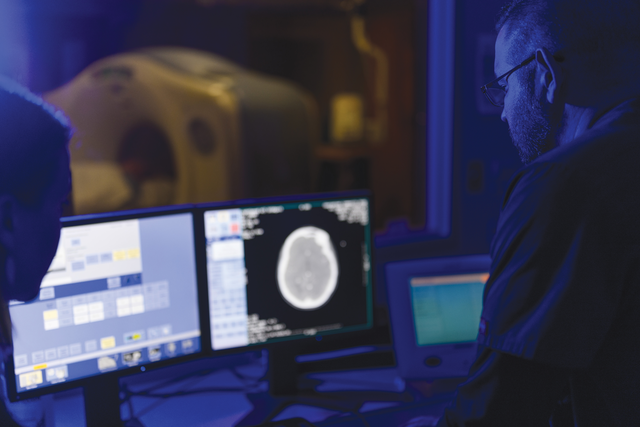
The group is advocating for patients to receive high-quality brain MRIs with special epilepsy sequences that are read by dedicated epilepsy radiologists and nuclear imaging studies conducted and read by dedicated epilepsy nuclear radiologists.
“Findings are then discussed in the setting of a refractory epilepsy conference, where all pieces of the puzzle are put into context,” Dr. Mirza explained. “As the complexity increases tremendously in this process, successful assessments require a whole team of experts and a dedicated epilepsy research team.”
UK’s robust and growing epilepsy program has become known for its innovative approach to successful patient assessments.
Dr. Mirza said the work the teams are doing to improve seizure localization through the development of novel neuroimaging and signal analysis techniques is beginning to do just that.